
How to Remodel Kitchen Cabinets
Why This Matters for Homeowners
Remodeling kitchen cabinets is a significant undertaking for homeowners, and it carries weight for various reasons. The kitchen is often referred to as the heart of the home, where family and friends gather. As such, the aesthetics and functionality of kitchen cabinets can greatly influence the overall feel of the space.
- Increased Home Value: Updated cabinets can enhance the value of your home, making it more appealing to potential buyers.
- Improved Functionality: Properly designed cabinets can maximize storage and improve your kitchen workflow.
- Personal Satisfaction: A well-designed kitchen can provide a sense of pride and satisfaction in your home.
Broader Factors Influencing Kitchen Cabinet Remodeling
When considering a kitchen cabinet remodel, several factors come into play that can affect the process and outcome:
- Budget: The cost of materials, labor, and any additional features can significantly impact your decision. A realistic budget is crucial to avoid overspending.
- Time: Remodeling can be a time-consuming process. Homeowners need to factor in the time required for planning, demolition, installation, and finishing touches. Depending on the scope, this could range from a few days to several weeks.
- Design Preferences: Personal style plays a vital role in the remodeling process. Homeowners must consider the overall aesthetic they wish to achieve, whether modern, traditional, or eclectic.
- Regulations: Depending on your location, there may be building codes or regulations that dictate how you can remodel your kitchen. It’s essential to check local guidelines to ensure compliance.
- Material Choices: The type of materials used for cabinets can affect durability, maintenance, and cost. Options range from solid wood to plywood and particleboard, each with its pros and cons.
- DIY vs. Professional Help: Deciding whether to tackle the remodel yourself or hire professionals can affect both cost and quality. DIY can save money but may require skills and tools that not all homeowners possess.

By considering these factors, homeowners can make informed decisions about their kitchen cabinet remodel, ensuring that the project meets both their practical needs and aesthetic desires.
Steps to Remodel Kitchen Cabinets
1. Planning and Design
Before any physical work begins, a well-thought-out plan is essential. This phase involves determining what you want to achieve with your remodel.
- Assess Current Cabinets: Examine the condition of your existing cabinets. Are they structurally sound? If they are damaged or outdated, a full remodel might be necessary.
- Set a Budget: Determine how much you are willing to spend. On average, kitchen cabinet remodeling can range from $2,000 to $10,000, depending on materials and labor.
- Choose a Style: Decide on a design that fits your taste and complements the overall kitchen theme. Popular styles include shaker, flat-panel, and traditional raised-panel.
- Measure Your Space: Accurate measurements are crucial. This ensures that new cabinets fit perfectly and helps avoid costly mistakes.
Timeline for Planning
The planning phase can take anywhere from a few days to several weeks, depending on how quickly decisions are made and how detailed the design is.
2. Selecting Materials
The choice of materials can significantly affect the durability and appearance of your cabinets.
- Wood Types: Solid wood is the most durable but can be expensive. Plywood is a more affordable option, while particleboard is the least expensive and least durable.
- Finishes: Consider whether you want painted, stained, or natural wood finishes. Each option has different maintenance needs and aesthetic qualities.
- Hardware: Don’t overlook the importance of cabinet hardware. Knobs and pulls can add a finishing touch and vary in price from $1 to $20 each.
Average Costs of Materials
On average, homeowners spend about $60 to $200 per linear foot on cabinets, depending on the material and style chosen.
3. Demolition and Preparation
Once the design and materials are finalized, it’s time to prepare for installation.
- Remove Old Cabinets: Carefully take down existing cabinets to avoid damaging walls or countertops. This process can take a day or two.
- Prepare the Space: Repair any wall damage, patch holes, and ensure the area is clean and ready for new cabinets.
Potential Challenges
Be prepared for unexpected issues, such as hidden mold or plumbing problems behind the cabinets. Having a contingency budget of about 10-15% of your total budget can help manage these surprises.
4. Installation
The installation phase is where your planning pays off.
- Follow Instructions: If you’re using pre-made cabinets, follow the manufacturer’s instructions carefully. Custom cabinets may require professional installation.
- Start with Upper Cabinets: It’s easier to install upper cabinets first, as this allows for better access and reduces the risk of damaging lower cabinets.
- Level and Secure: Ensure that all cabinets are level and securely anchored to the wall. This step is crucial for both functionality and safety.
Installation Timeline
Installation can take anywhere from a few days to a week, depending on the complexity of the project and whether you’re doing it yourself or hiring professionals.
5. Finishing Touches
After installation, it’s time to focus on the details that will complete your kitchen remodel.
- Add Hardware: Install knobs and pulls to enhance functionality and style.
- Finish the Edges: Install trim or molding to cover gaps and add a polished look.
- Paint or Stain: If you opted for unfinished cabinets, apply paint or stain as per your design choice.
Average Time for Finishing Touches
Finishing touches can take an additional few days, depending on the complexity of the work involved.
6. Maintenance and Care

Once your kitchen cabinets are remodeled, proper care will ensure they last for years.
- Regular Cleaning: Use a gentle cleaner to wipe down surfaces regularly. Avoid harsh chemicals that can damage finishes.
- Check Hardware: Periodically check and tighten screws and knobs to maintain functionality.
- Avoid Excessive Moisture: Keep cabinets dry to prevent warping and mold growth.
By following these steps and understanding the associated costs and timelines, homeowners can effectively remodel their kitchen cabinets, enhancing both the aesthetics and functionality of their kitchen space.
Actionable Advice for Remodeling Kitchen Cabinets
DIY vs. Professional Work
Choosing between a DIY remodel and hiring professionals can significantly affect the outcome and cost of your kitchen cabinet project. Here’s a comparison of both approaches:
| Aspect | DIY | Professional |
|---|---|---|
| Cost | Generally lower; materials only | Higher; includes labor costs |
| Time | Variable; depends on skill level | More predictable; professionals have experience |
| Quality | Depends on skill; risk of mistakes | Usually higher; expertise ensures better results |
| Control | Full control over design and execution | Less control; follow contractor’s plan |
| Stress Level | Potentially higher; learning curve involved | Lower; professionals handle challenges |
When to Choose DIY
Consider a DIY approach if you have some experience with home improvement projects, a limited budget, or a simple design in mind. Tasks like painting or staining cabinets, changing hardware, or installing pre-made cabinets can often be tackled by homeowners.
When to Hire Professionals
Hiring professionals is advisable for complex remodels, custom cabinets, or if you lack the time or skills necessary for the project. Skilled contractors can often complete the work more efficiently and with fewer mistakes.
Budget vs. Premium Remodel
The budget you choose for your kitchen cabinet remodel will influence the materials, labor, and overall quality of the project. Here’s how budget and premium options compare:
| Feature | Budget Remodel | Premium Remodel |
|---|---|---|
| Materials | Particleboard, laminate | Solid wood, high-quality plywood |
| Cabinet Style | Stock cabinets, limited customization | Custom cabinets, extensive design options |
| Hardware | Basic knobs and pulls | Designer hardware, unique finishes |
| Longevity | Shorter lifespan, may need replacement sooner | Long-lasting, durable materials |
| Resale Value | May not significantly increase home value | Higher potential for increased home value |
Choosing the Right Budget
When deciding between budget and premium options, consider your long-term plans for the home. If you plan to live in the house for many years, investing in premium materials may be worthwhile. However, if you’re planning to sell soon, a budget remodel could be sufficient.
Common Mistakes to Avoid
Avoiding common pitfalls can save time, money, and frustration during your kitchen cabinet remodel. Here are some mistakes to watch out for:
- Skipping Measurements: Always double-check your measurements. Incorrect measurements can lead to costly mistakes and delays.
- Ignoring Workflow: Consider the kitchen layout and workflow. Cabinets should be placed to facilitate cooking and movement.
- Overlooking Storage Needs: Make sure to plan for adequate storage. Think about your kitchen items and how they will fit in the new cabinets.
- Neglecting Lighting: New cabinets can change the lighting dynamics in your kitchen. Ensure that your lighting complements the new design.
- Rushing the Process: Take your time with each step. Rushing can lead to mistakes that will cost you more in the long run.
Insider Tips for a Successful Remodel
Here are some insider tips that can help ensure your kitchen cabinet remodel goes smoothly:
- Research Suppliers: Look for reputable suppliers for materials and hardware. Reviews and recommendations can guide you to quality options.
- Consider Future Trends: While personal style is important, think about future trends to ensure your remodel remains timeless.
- Plan for the Unexpected: Set aside a contingency budget of 10-15% for unexpected expenses that may arise during the remodel.
- Get Multiple Quotes: If hiring professionals, obtain multiple quotes to compare pricing and services offered.
- Document the Process: Keep a journal or digital record of your remodel journey, including decisions made and receipts. This can be helpful for future projects or resale.
By weighing the pros and cons of DIY versus professional work, understanding the implications of budget versus premium remodels, and avoiding common pitfalls, homeowners can successfully navigate their kitchen cabinet remodeling project.
Facts About Remodeling Kitchen Cabinets
Statistical Insights
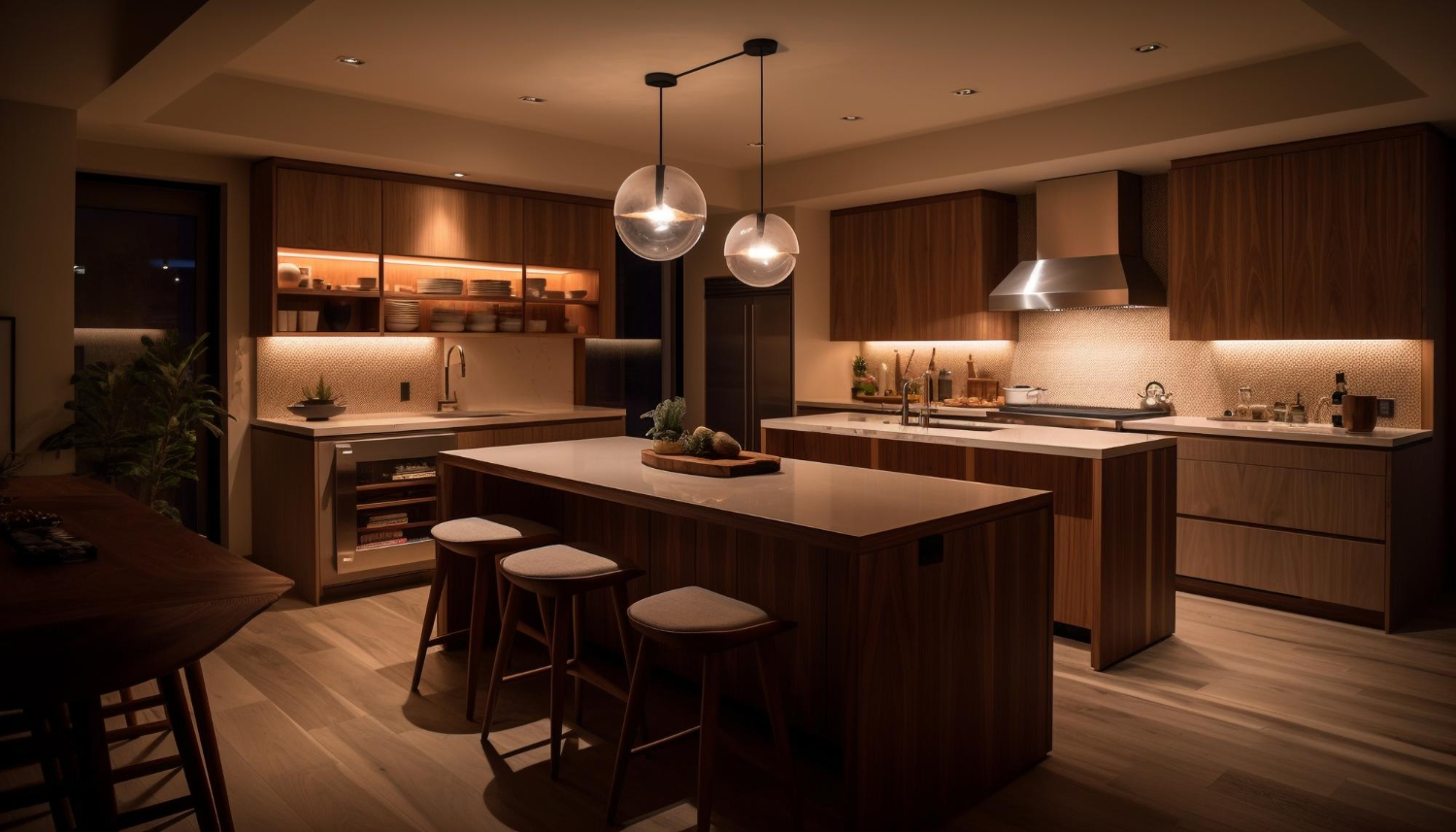
Understanding the data surrounding kitchen cabinet remodeling can help homeowners make informed decisions. Here are some key statistics:
- Return on Investment (ROI): According to the National Association of Realtors, a kitchen remodel can yield an ROI of approximately 70-80%, making it one of the best investments for homeowners.
- Average Costs: The average cost for a kitchen cabinet remodel ranges from $3,000 to $10,000, depending on materials and design choices.
- Time Investment: The average kitchen remodel takes about 6 to 12 weeks, with the cabinet installation phase typically lasting 1 to 2 weeks.
- Home Value Increase: Remodeling Magazine’s Cost vs. Value report states that a mid-range kitchen remodel can increase a home’s value by about $20,000 to $30,000.
Benefits of a Thoughtful Approach
Taking a thoughtful approach to kitchen cabinet remodeling can lead to several advantages:
- Saving Money: By planning carefully and setting a realistic budget, homeowners can avoid unnecessary expenses and make the most of their investment.
- Adding Home Value: A well-executed remodel can significantly boost the resale value of a home, making it more attractive to potential buyers.
- Improving Comfort: Thoughtful design can enhance the functionality of the kitchen, making it a more comfortable and enjoyable space for cooking and entertaining.
When to Start and What to Prioritize
Timing and priorities can greatly influence the success of your kitchen cabinet remodel. Here’s some advice on when to start and what to focus on:
- Start in Off-Peak Seasons: Consider beginning your remodel in the fall or winter when contractors may have more availability and potentially lower prices.
- Prioritize Layout and Functionality: Focus on the layout and functionality of your kitchen first. Ensure that the cabinet design complements your cooking and storage needs.
- Choose Quality Materials: Invest in quality materials that will withstand wear and tear. This can save money in the long run by reducing the need for repairs or replacements.
- Incorporate Smart Features: Consider adding features like pull-out shelves or soft-close hinges to enhance usability and comfort.
Common Insights from Homeowners
Homeowners often share their experiences and tips in forums, providing valuable insights into the remodeling process. Here’s a summary of what they commonly say:
| Topic | Common Insights |
|---|---|
| Budgeting | Many emphasize the importance of setting a strict budget and sticking to it to avoid overspending. |
| Material Choices | Homeowners often recommend investing in quality materials, as they contribute to the longevity of the cabinets. |
| DIY vs. Professional | Many suggest considering professional help for complex designs, while simple updates can be done DIY. |
| Planning | Effective planning and research are frequently mentioned as key factors in achieving a successful remodel. |
| Functionality | Homeowners stress the importance of designing cabinets that enhance kitchen workflow and accessibility. |
By leveraging statistical data, understanding the benefits of a thoughtful approach, and taking into account the insights shared by other homeowners, individuals can navigate their kitchen cabinet remodels more effectively.