
How to Remodel a 70s Kitchen
Why This Question Matters for Homeowners
Remodeling a kitchen is one of the most significant home improvement projects a homeowner can undertake. For those with a kitchen stuck in the 1970s, this question is particularly pressing. A dated kitchen can detract from a home’s overall value and functionality. Homeowners often find themselves facing a kitchen that is not only aesthetically unappealing but also lacking in modern conveniences and efficiency.
Broader Factors Influencing a Kitchen Remodel
Several factors play a crucial role in the decision to remodel a 70s kitchen:
- Financial Considerations: Budget is often the first and foremost concern. Remodeling can range from a simple cosmetic update to a complete overhaul, with costs varying dramatically. It’s essential to establish a realistic budget that includes materials, labor, and unexpected expenses.
- Time Commitment: A kitchen remodel is not a quick project. Depending on the scope, it can take anywhere from a few weeks to several months. Homeowners need to consider how long they can live without a fully functioning kitchen and plan accordingly.
- Design Preferences: The aesthetic appeal of a kitchen is vital. Homeowners should think about their personal style and how it aligns with current trends. A 70s kitchen may feature dark wood cabinets, outdated appliances, and bold colors that clash with modern design sensibilities. Understanding what styles are appealing today can help guide decisions.
- Functionality: Many kitchens from the 70s were designed with a different lifestyle in mind. Today’s kitchens often prioritize open layouts, multi-functional spaces, and energy-efficient appliances. Homeowners must assess how their needs have changed over the years and what features will enhance their cooking and entertaining experiences.
- Regulations and Permits: Depending on the extent of the remodel, homeowners may need to navigate local building codes and regulations. This can include obtaining permits for structural changes, electrical work, or plumbing updates. Ignoring these aspects can lead to complications down the road.
- Environmental Impact: With a growing emphasis on sustainability, many homeowners are considering eco-friendly materials and energy-efficient appliances. This not only helps the environment but can also lead to long-term savings on utility bills.

Given these factors, it’s clear that remodeling a 70s kitchen is not just about aesthetics; it’s a multifaceted decision that can significantly impact a homeowner’s life and investment. Understanding these elements can help homeowners navigate the complexities of a kitchen remodel effectively.
Remodeling a 70s Kitchen: Key Aspects to Consider
1. Assessing the Current Space
Before diving into a remodel, it’s crucial to assess the existing kitchen layout and structure. This involves:
- Measuring the Space: Take accurate measurements of the kitchen, including walls, windows, and doorways. This will help in planning the layout and selecting appropriately sized appliances and fixtures.
- Identifying Problem Areas: Look for outdated features such as old cabinetry, poor lighting, or inefficient layouts. These areas will be your focus for improvement.
- Evaluating Structural Integrity: Check for any signs of water damage, mold, or structural issues that may need to be addressed before starting the remodel.
Example
A typical 70s kitchen may have a closed-off layout that makes it feel cramped. By measuring the space, homeowners can determine if a more open layout is feasible, potentially involving the removal of non-load-bearing walls.
2. Setting a Realistic Budget
Budgeting is one of the most critical aspects of a remodel. Homeowners should consider:
- Overall Costs: A kitchen remodel can cost anywhere from $10,000 for minor updates to over $50,000 for a complete overhaul. On average, a mid-range remodel costs about $25,000.
- Itemized Expenses: Break down the budget into categories such as cabinetry, countertops, appliances, plumbing, and labor. This can help identify where to save or splurge.
- Contingency Fund: Set aside 10-20% of the total budget for unexpected expenses that often arise during renovations.
Example
If a homeowner plans to replace cabinets and countertops, they might allocate $15,000 for cabinetry and $5,000 for countertops, totaling $20,000. Adding a contingency fund of $2,000 brings the budget to $22,000.
3. Planning the Layout
The kitchen layout is essential for functionality. Consider the following:
- Work Triangle: The classic work triangle involves the stove, sink, and refrigerator. Ensure these elements are placed within easy reach of each other to enhance workflow.
- Open Concept vs. Closed Layout: Decide if an open concept is preferable. Removing walls can create a more spacious feel, but it may require additional structural support.
- Storage Solutions: Incorporate smart storage options such as pull-out shelves, lazy Susans, and vertical storage to maximize space.
Example
In a typical 70s kitchen, the work triangle might be inefficient, with the stove far from the sink. A remodel could reposition these elements for better accessibility.
4. Selecting Materials and Appliances
Choosing the right materials and appliances impacts both aesthetics and functionality. Consider:
- Cabinetry: Options range from stock cabinets at around $100 per linear foot to custom cabinetry that can exceed $500 per linear foot. Mid-range options typically cost $200-$300 per linear foot.
- Countertops: Popular materials include granite ($50-$100 per square foot), quartz ($50-$150 per square foot), and laminate ($10-$40 per square foot).
- Energy-Efficient Appliances: Investing in ENERGY STAR-rated appliances can save on utility bills in the long run. Budget around $1,500-$3,000 for a full set of appliances.
Example
A homeowner might choose mid-range cabinetry at $200 per linear foot for a total of $6,000 and quartz countertops at $75 per square foot for a total of $3,000, bringing their cabinetry and countertop budget to $9,000.
5. Hiring Professionals vs. DIY
Deciding whether to hire professionals or tackle the remodel as a DIY project can significantly affect the outcome. Consider:
- Professional Contractors: Hiring a contractor can streamline the process but typically adds 20-30% to the overall cost. A general contractor may charge $50-$150 per hour.
- DIY Projects: Many homeowners opt for DIY to save money, but this requires time, skill, and tools. Be honest about your capabilities to avoid costly mistakes.
- Permits and Inspections: If you choose to DIY, ensure you understand any required permits and inspections to avoid legal issues.
Example
A homeowner may decide to hire a contractor for plumbing and electrical work but attempt to repaint cabinets or install new hardware themselves.
6. Timeline for the Remodel
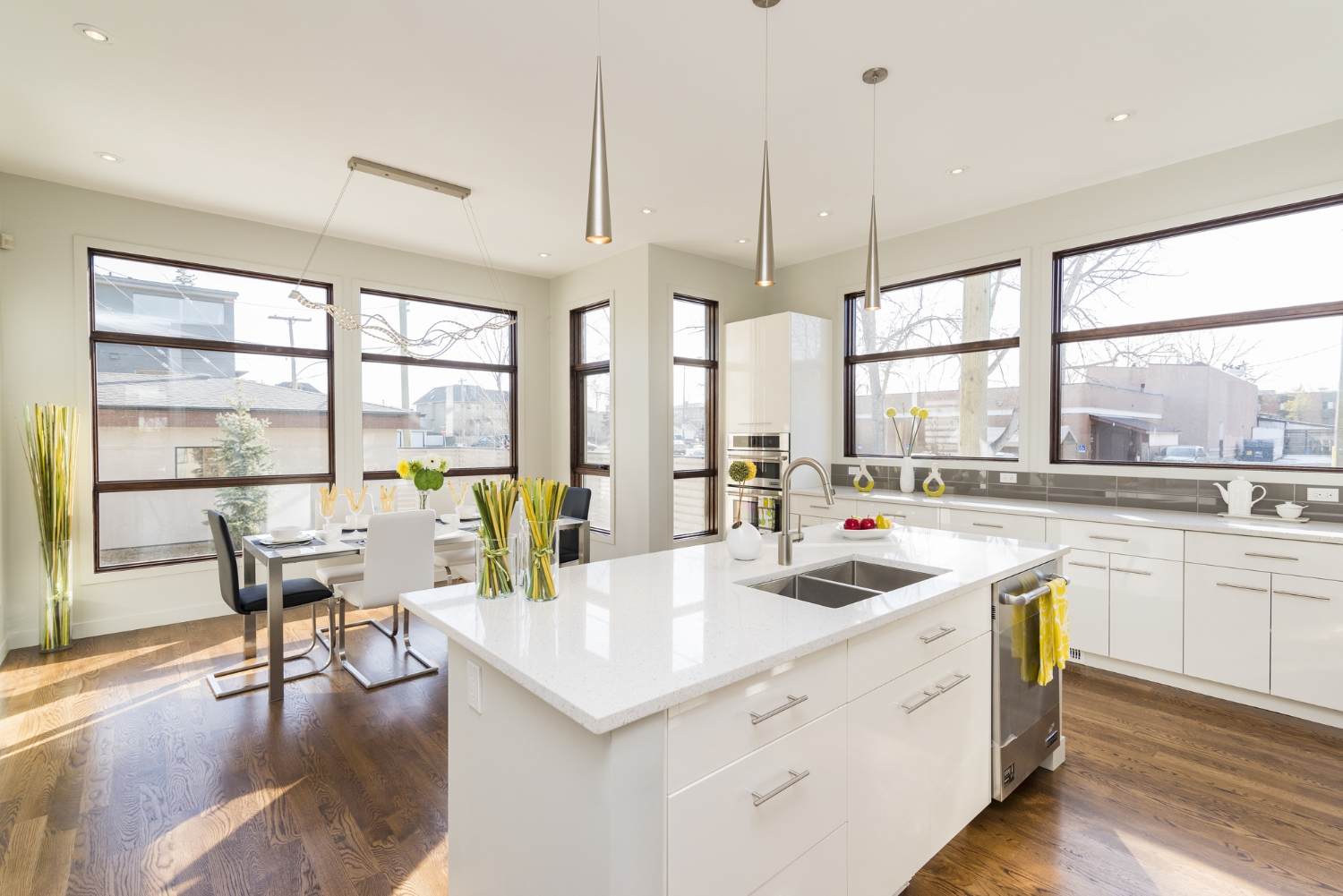
Understanding the timeline for a kitchen remodel helps manage expectations. Typical timelines include:
- Planning Phase: 1-3 months for design, budgeting, and securing permits.
- Demo Phase: 1-2 weeks for tearing down old structures and preparing the space.
- Construction Phase: 4-12 weeks, depending on the complexity of the remodel.
- Final Touches: 1-2 weeks for finishing touches like painting, installing hardware, and cleaning up.
Example
For a mid-range remodel, a homeowner might expect the entire process to take around 3-6 months from initial planning to final inspection.
7. Overcoming Challenges
Remodeling a kitchen can come with its set of challenges. Be prepared to:
- Unexpected Costs: Always have a contingency plan for unforeseen expenses, such as discovering mold or needing to upgrade electrical systems.
- Delays: Weather, supply chain issues, or contractor availability can delay timelines. Always factor in extra time.
- Design Changes: Be flexible with design choices as you may find certain materials or layouts are not feasible.
Example
A homeowner may discover that the plumbing needs updating once the old cabinets are removed, adding unexpected costs and time to the project.
By carefully considering these aspects, homeowners can approach the remodeling of a 70s kitchen with a clear plan and realistic expectations, leading to a successful transformation.
Actionable Advice for Remodeling a 70s Kitchen
1. DIY vs. Professional Work
Choosing between DIY and hiring professionals can significantly impact the remodel’s quality and cost. Here’s a comparison of both approaches:
| Aspect | DIY | Professional Work |
|---|---|---|
| Cost | Lower; save on labor costs but may need to invest in tools | Higher; includes labor costs, typically 20-30% of total budget |
| Quality | Varies; depends on skill level and experience | Generally higher; professionals bring expertise and craftsmanship |
| Time | Longer; may take more time to complete due to inexperience | Faster; professionals have experience and can work efficiently |
| Permits | Homeowners must research and obtain necessary permits | Contractors handle permits and inspections as part of the service |
Insider Tip
If you choose to DIY, focus on smaller projects like painting cabinets or installing hardware. Leave complex tasks like plumbing or electrical work to professionals to avoid costly mistakes.
2. Budget vs. Premium Remodel
Deciding between a budget-friendly remodel and a premium upgrade can influence both the process and results. Here’s a breakdown:
| Factor | Budget Remodel | Premium Remodel |
|---|---|---|
| Materials | Stock cabinets, laminate countertops, basic appliances | Custom cabinetry, high-end countertops (granite, quartz), luxury appliances |
| Design | Simple, functional design; fewer custom features | Complex designs with custom features, unique layouts |
| Return on Investment (ROI) | Higher ROI for budget remodels; typically recoups 70-80% of costs | Lower ROI; may recoup 50-60% depending on market |
| Longevity | Shorter lifespan; may need updates sooner | Long-lasting; high-quality materials and craftsmanship |
Insider Tip
If you’re on a budget, consider investing in high-quality appliances and fixtures while opting for more affordable cabinetry and countertops. This can elevate the kitchen’s overall appeal without breaking the bank.
3. Common Mistakes to Avoid
When remodeling a kitchen, several common pitfalls can derail the project. Here are mistakes to avoid:
- Neglecting the Layout: Failing to plan the kitchen layout effectively can lead to an inefficient workspace. Always prioritize the work triangle.
- Underestimating Costs: Many homeowners underestimate the total costs. Always include a contingency fund to cover unexpected expenses.
- Choosing Trends Over Timelessness: While trendy designs can be appealing, they may not age well. Focus on timeless styles that will remain appealing long-term.
- Ignoring Lighting: Poor lighting can make even the best designs fall flat. Incorporate a mix of ambient, task, and accent lighting for a well-lit space.
- Skipping Storage Solutions: Insufficient storage can lead to clutter. Plan for adequate storage to keep the kitchen organized.
Insider Tip
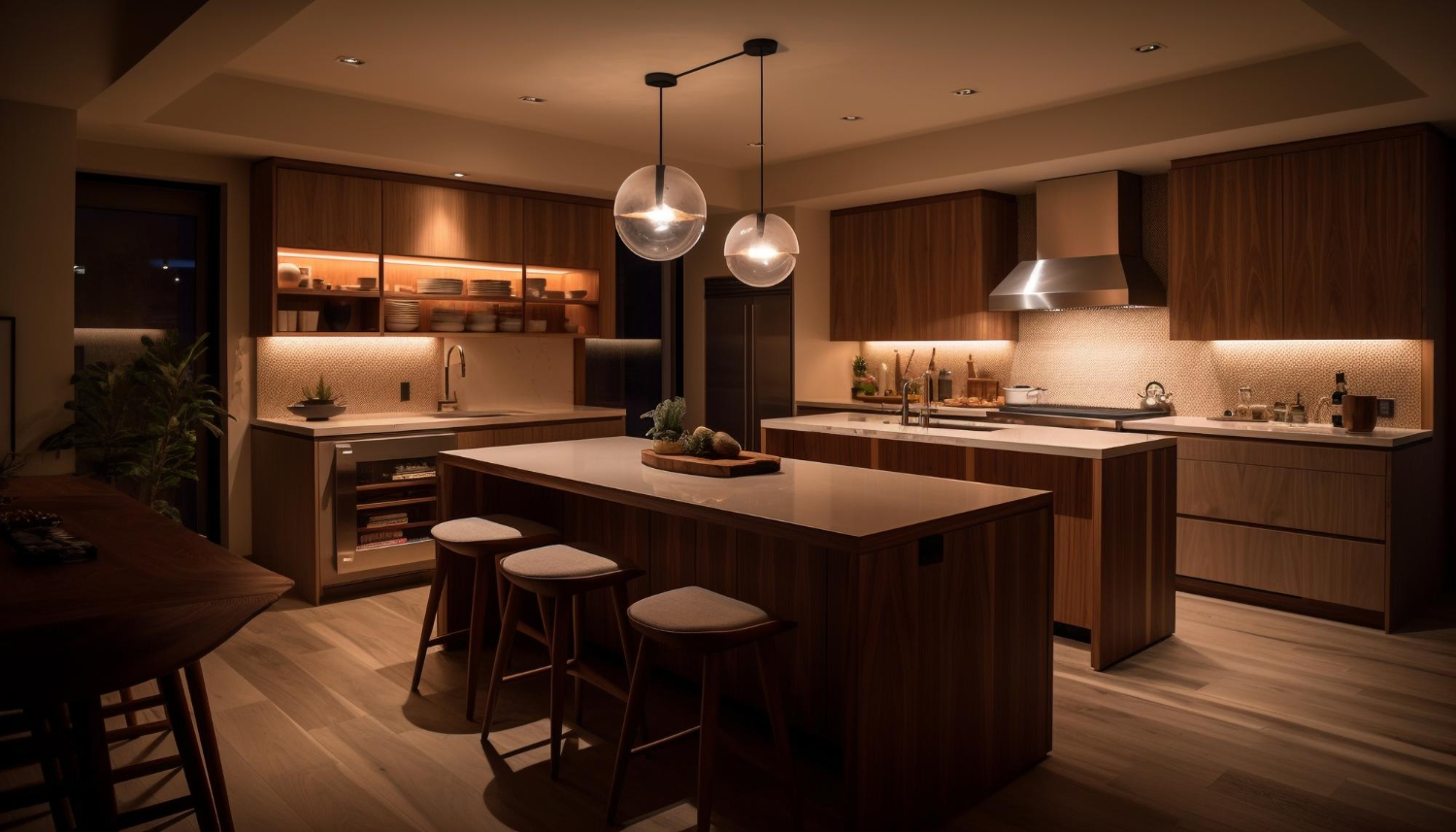
Create a visual mood board to clarify your vision and keep the design cohesive. This can help avoid impulsive decisions that may lead to costly mistakes.
4. Essential Tips for a Successful Remodel
Here are some essential tips to ensure a smooth remodeling process:
- Research and Plan: Spend time researching design ideas, materials, and trends. Create a detailed plan that outlines every aspect of the remodel.
- Communicate Clearly: If hiring professionals, maintain open communication. Clearly express your vision and any changes that arise during the project.
- Be Flexible: Understand that unexpected issues may arise. Being flexible can help you adapt without losing sight of your goals.
- Prioritize Functionality: While aesthetics matter, functionality should be the primary focus. The kitchen should be a practical space for cooking and entertaining.
- Incorporate Technology: Consider smart home technology for appliances and lighting. This can enhance convenience and efficiency in the kitchen.
Insider Tip
Document the entire remodeling process with photos. This can help you track progress and serve as a reference for future projects.
By following this actionable advice and being mindful of common pitfalls, homeowners can navigate the complexities of remodeling a 70s kitchen more effectively, leading to a successful transformation that meets both functional and aesthetic needs.
Facts About Remodeling a 70s Kitchen
1. Statistical Insights
Remodeling a kitchen can lead to significant benefits for homeowners, both in terms of personal enjoyment and financial return. Here are some key statistics:
- Return on Investment (ROI): According to the National Association of Realtors, a kitchen remodel can recoup about 60-80% of its cost when selling a home, depending on the extent of the renovations.
- Increased Home Value: A minor kitchen remodel, which includes updates like new countertops and fixtures, can increase home value by an average of $20,000, according to Remodeling Magazine’s Cost vs. Value report.
- Energy Efficiency: Upgrading to energy-efficient appliances can save homeowners an average of $100-$300 annually on utility bills, according to the U.S. Department of Energy.
- Comfort and Functionality: A well-planned kitchen remodel can improve daily comfort and ease of use. Homeowners often report increased satisfaction with their living space post-remodel.
Benefits of a Thoughtful Approach
Taking a thoughtful approach to remodeling can yield substantial benefits:
- Saving Money: By carefully planning and budgeting, homeowners can avoid costly mistakes and overspending.
- Adding Home Value: A well-executed remodel can enhance curb appeal and market value, making the home more attractive to potential buyers.
- Improving Comfort: Thoughtful design choices can lead to a more functional and enjoyable kitchen space, enhancing the overall quality of life.
2. When to Start Your Remodel
Timing is crucial in any remodeling project. Here are some considerations for when to start:
- Market Conditions: If the housing market is favorable, it may be a good time to invest in renovations to maximize your home’s value.
- Seasonal Considerations: Spring and summer are popular times for remodeling projects, as weather conditions are more favorable for construction work.
- Personal Readiness: Ensure you are mentally and financially prepared for the disruption that comes with a kitchen remodel.
Prioritization Tips
When starting a remodel, prioritize the following areas:
- Functionality: Focus on the layout and workflow to ensure the kitchen meets your cooking and entertaining needs.
- Quality Materials: Invest in durable materials that will stand the test of time, especially for high-use areas like countertops and cabinetry.
- Energy Efficiency: Prioritize energy-efficient appliances and fixtures to save on utility costs in the long run.
- Lighting: Ensure adequate lighting, incorporating both ambient and task lighting to improve visibility in the kitchen.
3. Common Owner Feedback
Homeowners often share their experiences and insights in forums. Here’s a summary of what they commonly say:
| Feedback Category | Common Comments |
|---|---|
| Budgeting | “Always set aside a contingency fund; unexpected costs can arise.” |
| Design | “Consider functionality first; aesthetics can come later.” |
| DIY vs. Professional | “Hire professionals for plumbing and electrical work; it’s worth the investment.” |
| Time Management | “Be prepared for delays; they happen more often than expected.” |
| Materials | “Invest in quality materials; cheaper options can lead to regrets later.” |
By understanding the facts about kitchen remodeling and considering the insights shared by other homeowners, individuals can make informed decisions that enhance both their living space and their home’s value.