
How to Remodel a Galley Kitchen
Why Remodeling a Galley Kitchen Matters
Remodeling a galley kitchen is a significant undertaking for homeowners, and it’s a topic that deserves careful consideration. Galley kitchens, characterized by their long, narrow layout, can present unique challenges and opportunities for improvement. This type of kitchen is often found in smaller homes or apartments, making it essential for homeowners to maximize every inch of space.
Investing in a remodel can greatly enhance the functionality and aesthetics of a galley kitchen, making it a more enjoyable place for cooking and socializing. Here are several reasons why this question matters:
- Space Optimization: Galley kitchens can feel cramped, and remodeling allows homeowners to create a more efficient layout. This can include better storage solutions, improved workflow, and even the incorporation of modern appliances.
- Increased Home Value: A well-executed kitchen remodel can significantly increase the resale value of a home. Potential buyers often look for updated kitchens, and a modern galley kitchen can be a strong selling point.
- Personalization: Homeowners have the opportunity to express their personal style through design choices. From cabinetry to countertops, the remodel can reflect individual tastes and preferences.
- Energy Efficiency: Upgrading appliances and fixtures can lead to energy savings. Modern appliances are generally more efficient, which can reduce utility bills over time.
Broader Factors Influencing a Galley Kitchen Remodel
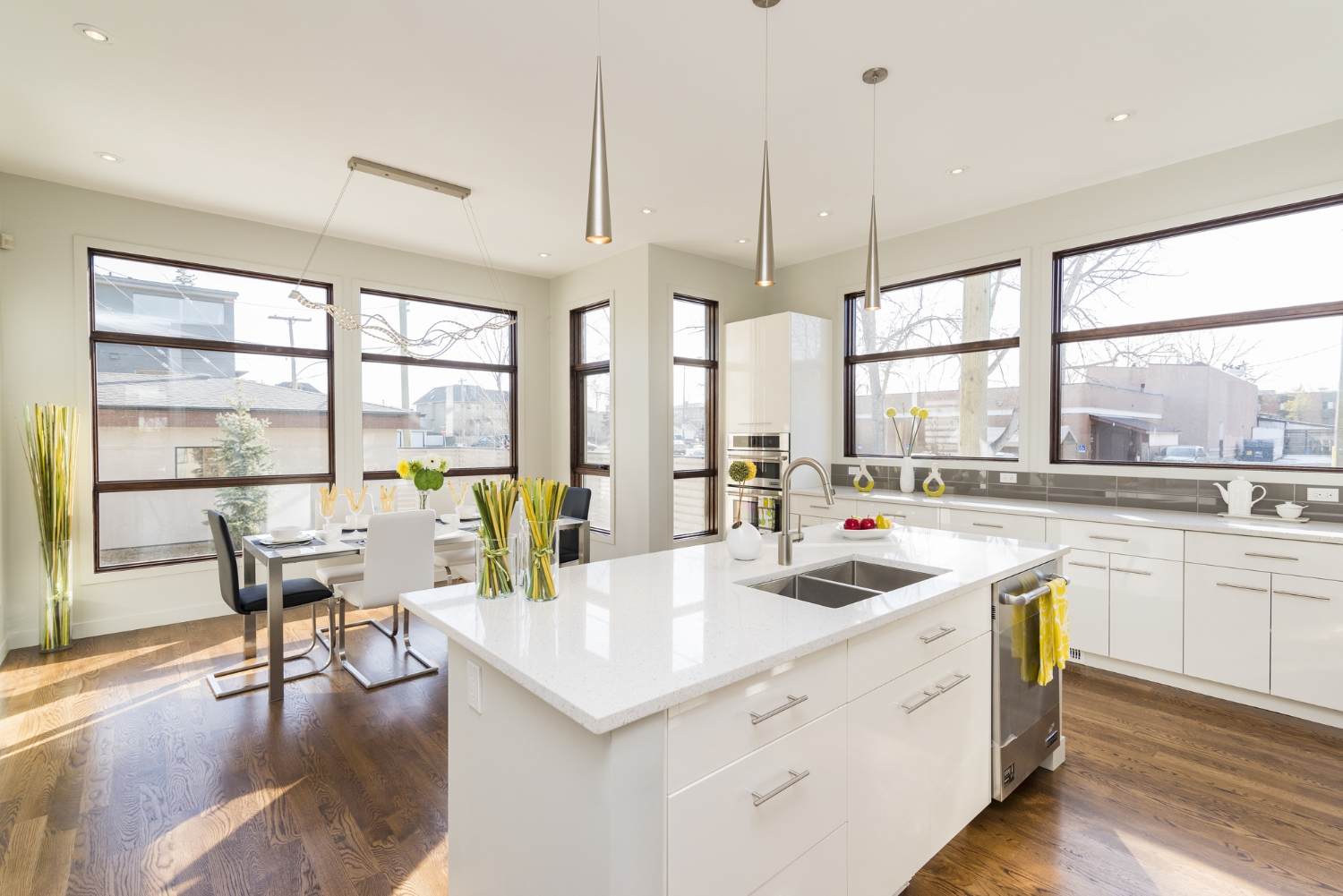
Several broader factors can influence the remodeling process, including:
- Budget: Financial constraints will dictate many aspects of the remodel. It’s crucial to establish a realistic budget that includes materials, labor, and unexpected expenses.
- Time: Remodeling a kitchen is a time-consuming project. Homeowners must consider how long they can be without a functional kitchen and plan accordingly.
- Design Choices: The design of a galley kitchen should focus on maximizing space while ensuring functionality. Homeowners need to consider layout, cabinetry, and finishes that work well together.
- Building Regulations: Depending on the location, there may be specific building codes and regulations that need to be followed. Homeowners should research local laws before starting a remodel to avoid potential legal issues.
In summary, remodeling a galley kitchen is an important decision for homeowners that can lead to improved functionality, increased home value, and enhanced personal enjoyment of the space. However, it requires careful planning and consideration of various factors that can impact the success of the project.
Remodeling a Galley Kitchen: Key Aspects to Consider
1. Planning and Design
Before diving into the remodel, a solid plan is essential. This involves evaluating the current layout and determining what changes need to be made. Here are the steps involved in the planning phase:
Assess Current Layout
- Identify pain points: What isn’t working? Is it lack of storage, counter space, or flow?
- Measure dimensions: Accurate measurements are crucial for fitting new cabinets and appliances.
- Consider traffic flow: Ensure that the design allows for easy movement between the kitchen and adjacent areas.
Set a Budget
Creating a budget is one of the most critical steps. On average, a kitchen remodel can cost anywhere from $10,000 to $50,000, depending on the extent of the changes and materials used. Consider the following:
- Cabinetry: Custom cabinets can cost between $500 to $1,200 per linear foot.
- Countertops: Materials like granite or quartz range from $50 to $200 per square foot.
- Appliances: Expect to spend $2,000 to $10,000 for a full set of new appliances.
Choose a Design Style
Selecting a design style can help guide other decisions. Popular styles include modern, traditional, and farmhouse. Each style has different implications for materials, colors, and finishes.
2. Selecting Materials and Appliances
Once the planning stage is complete, the next step is choosing materials and appliances that fit your design and budget.
Cabinetry and Countertops
Choosing the right cabinetry can make or break the remodel. Consider the following options:
- Stock Cabinets: These are pre-manufactured and the most affordable, typically costing $100 to $300 per linear foot.
- Semi-Custom Cabinets: Offer more options for sizes and finishes, ranging from $150 to $650 per linear foot.
- Custom Cabinets: Tailored to your specifications, costing $500 to $1,200 per linear foot.
Countertops also play a significant role in both aesthetics and functionality. Options include:
- Laminate: Budget-friendly, typically around $20 to $50 per square foot.
- Granite: Durable and popular, costing $50 to $100 per square foot.
- Quartz: Engineered stone that offers a variety of designs, costing $50 to $150 per square foot.
Appliances
Investing in energy-efficient appliances can save money in the long run. Look for appliances with the ENERGY STAR label. Average costs for major appliances include:
- Refrigerator: $800 to $3,000
- Oven/Range: $700 to $2,500
- Dishwasher: $400 to $1,500
3. Hiring Professionals vs. DIY
Deciding whether to hire professionals or tackle the remodel yourself can influence both the timeline and budget.
Hiring Professionals
If you choose to hire professionals, consider the following:
- General Contractor: Can manage the entire project, typically charging 10% to 20% of the total project cost.
- Designers: Can help create a functional layout and style, charging $50 to $200 per hour or a flat fee.
- Specialized Contractors: Electricians, plumbers, and carpenters may be necessary for specific tasks.
DIY Considerations
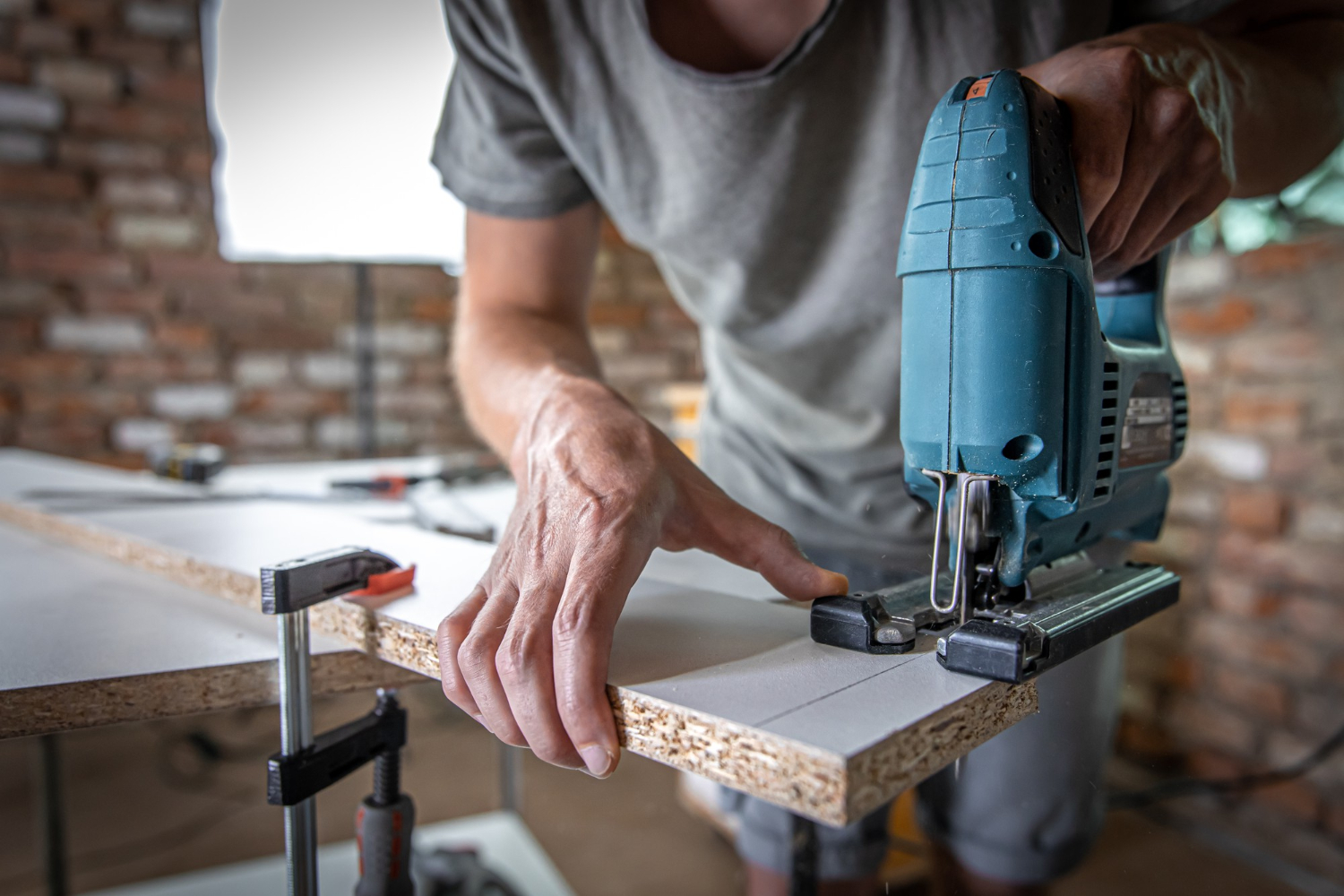
If you opt for a DIY approach, be realistic about your skills and time commitment. Some tasks may be straightforward, while others, such as electrical or plumbing work, require professional expertise.
4. Execution and Timeline
Once the planning and design are complete, it’s time to execute the remodel. Here’s a general timeline to follow:
- Week 1-2: Demolition of existing fixtures and cabinetry.
- Week 3: Structural changes, including any necessary plumbing or electrical work.
- Week 4-5: Installation of new cabinetry and countertops.
- Week 6: Installation of appliances and final touches, such as backsplash and lighting.
Keep in mind that delays can occur due to unforeseen issues like supply chain problems or structural surprises, so it’s wise to build some buffer time into your timeline.
5. Potential Challenges
Remodeling a galley kitchen comes with its own set of challenges. Here are some common issues to anticipate:
- Space Limitations: The narrow layout can make it difficult to fit larger appliances or cabinetry.
- Budget Overruns: Unexpected costs can arise, so it’s crucial to have a contingency fund, typically 10% to 20% of the total budget.
- Design Flaws: Poor planning can lead to a layout that doesn’t function well, so it’s essential to test the workflow before finalizing the design.
By addressing these aspects, homeowners can streamline the remodeling process of a galley kitchen, ensuring they create a functional and aesthetically pleasing space.
Actionable Advice for Remodeling a Galley Kitchen
1. DIY vs. Professional Work
When it comes to remodeling a galley kitchen, homeowners often face the choice between doing it themselves or hiring professionals. Each approach has its pros and cons.
DIY Approach
- Cost Savings: DIY can significantly reduce labor costs, allowing you to allocate more funds to materials.
- Personal Satisfaction: Completing the project yourself can be rewarding and may provide a sense of accomplishment.
- Flexibility: You can work at your own pace and schedule.
Professional Work
- Expertise: Professionals bring experience and knowledge, which can lead to a higher quality finish.
- Time Efficiency: Professionals can often complete the work faster than a DIYer, reducing the time you are without a functional kitchen.
- Warranty and Guarantees: Many contractors offer warranties on their work, providing peace of mind.
Comparison Table
| Aspect | DIY | Professional |
|---|---|---|
| Cost | Lower (savings on labor) | Higher (includes labor costs) |
| Time | Longer (dependent on personal schedule) | Shorter (typically faster completion) |
| Quality | Varies (depends on skill level) | Generally higher (experienced tradespeople) |
| Flexibility | High (work at your own pace) | Low (set schedule) |
| Warranty | No warranty | Often includes warranty |
2. Budget vs. Premium Remodel
Deciding between a budget-friendly remodel and a premium upgrade is crucial. Each option has its own set of benefits and drawbacks.
Budget Remodel
- Cost-Effective Materials: Use laminate countertops and stock cabinets to save money.
- Focus on Essentials: Prioritize functional upgrades, like new appliances and fixtures, over aesthetic changes.
- Simple Layout Changes: Avoid structural changes that can increase costs significantly.
Premium Remodel
- High-End Materials: Invest in quartz countertops and custom cabinetry for a luxurious finish.
- Comprehensive Upgrades: Incorporate smart appliances and high-quality fixtures for enhanced functionality.
- Structural Changes: Consider knocking down walls or expanding the kitchen space for a more open layout.
Comparison Table
| Aspect | Budget Remodel | Premium Remodel |
|---|---|---|
| Material Quality | Basic materials | High-end materials |
| Appliances | Standard models | Smart, energy-efficient models |
| Design Complexity | Simpler designs | Complex, custom designs |
| Resale Value | Moderate increase | Significant increase |
| Time Investment | Longer due to budget constraints | Shorter, as professionals handle it |
3. Common Mistakes to Avoid
Avoiding common pitfalls can save time and money during a galley kitchen remodel. Here are mistakes to watch out for:
- Ignoring Workflow: Failing to create a functional workflow can lead to inefficiencies in the kitchen. Ensure that the layout allows for easy movement between cooking, cleaning, and storage areas.
- Overlooking Lighting: Poor lighting can make a small kitchen feel even smaller. Incorporate a mix of ambient, task, and accent lighting to enhance the space.
- Skipping the Permits: Not obtaining necessary permits can lead to legal issues down the line. Always check local regulations before starting a remodel.
- Underestimating Costs: Failing to account for unexpected expenses can derail your budget. Always include a buffer of 10% to 20% for unforeseen costs.
4. Insider Tips
Here are some insider tips to help ensure a successful galley kitchen remodel:
- Use Vertical Space: Maximize storage by using wall-mounted shelves and tall cabinets. This is especially important in a narrow kitchen where floor space is limited.
- Invest in Quality Fixtures: High-quality faucets and sinks can enhance both functionality and aesthetics. Look for durable materials that can withstand daily use.
- Consider Open Shelving: Open shelves can create a more spacious feel and provide easy access to frequently used items. Just be mindful of dust and maintenance.
- Plan for Future Needs: Think long-term when making design choices. If you plan to stay in your home for years, invest in features that will grow with your family.
By following this actionable advice, homeowners can navigate the complexities of remodeling a galley kitchen more effectively, making informed decisions that enhance both functionality and style.
Facts About Remodeling a Galley Kitchen
1. Statistical Insights
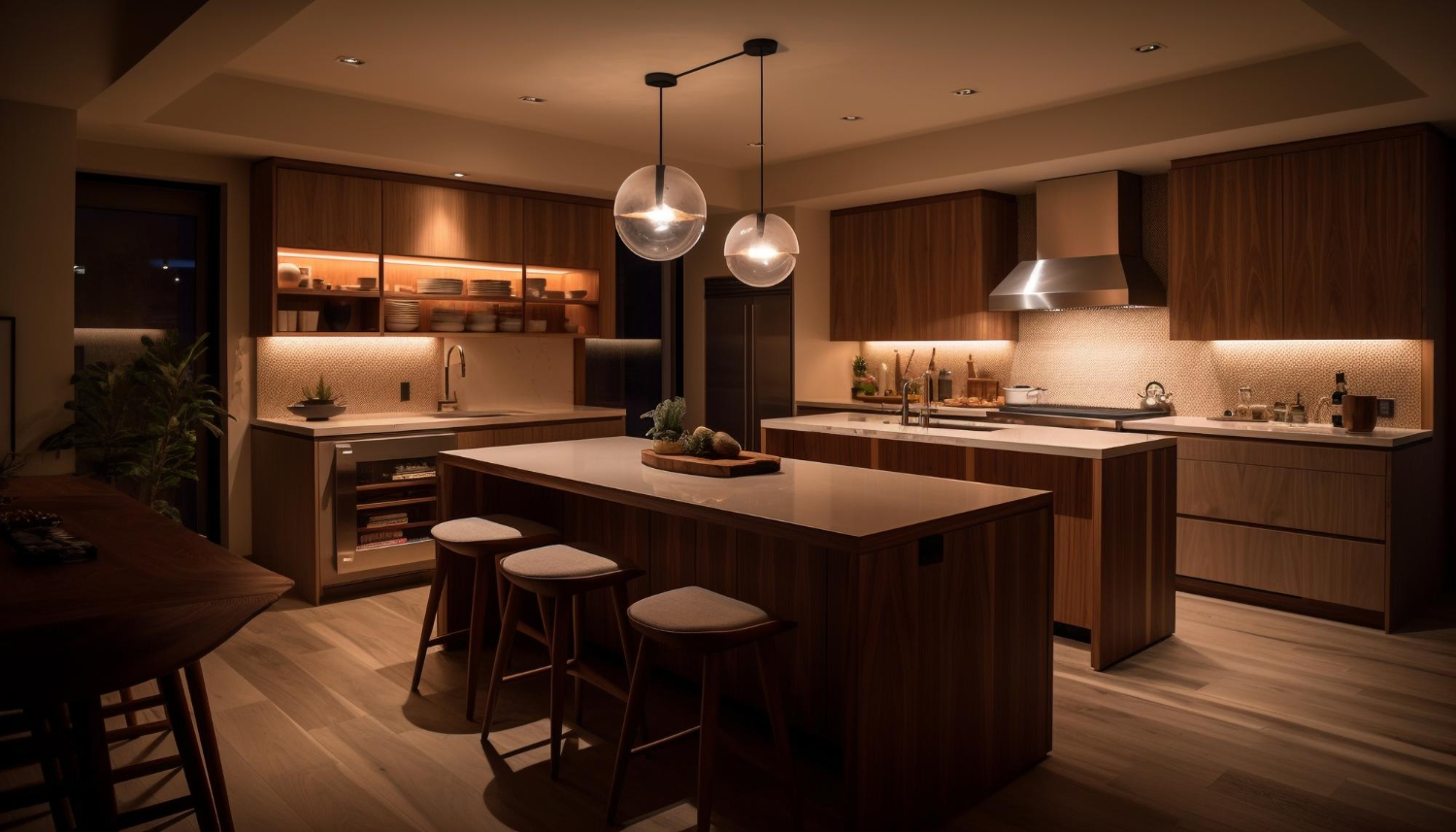
Understanding the statistics behind kitchen remodeling can provide valuable context for homeowners considering a galley kitchen remodel. Here are some key facts:
- Return on Investment (ROI): According to Remodeling Magazine’s Cost vs. Value report, minor kitchen remodels recoup about 80% of their costs upon resale, while major remodels can recoup around 60% to 70%.
- Average Costs: The average cost of a kitchen remodel ranges from $15,000 to $50,000, depending on the scope. Galley kitchens often fall on the lower end of this spectrum due to their size.
- Energy Efficiency Gains: Upgrading to energy-efficient appliances can save homeowners an average of $100 to $400 annually on energy bills, depending on usage.
- Space Utilization: A well-planned galley kitchen can improve workflow efficiency by up to 30%, making cooking and meal prep more comfortable.
2. Benefits of a Thoughtful Approach
Taking a thoughtful approach to remodeling can yield significant benefits, including:
Saving Money
- By setting a clear budget and prioritizing essential upgrades, homeowners can avoid overspending and stick to their financial plan.
- Choosing cost-effective materials and appliances can help maintain a lower overall cost without sacrificing quality.
Adding Home Value
- A remodeled kitchen is one of the most appealing features for potential homebuyers, increasing the likelihood of a quicker sale.
- Investing in modern, energy-efficient appliances can enhance the home’s appeal and marketability.
Improving Comfort
- A well-designed galley kitchen can enhance the cooking experience, making it more enjoyable and efficient.
- Incorporating better lighting and storage solutions can create a more welcoming and functional environment.
3. When to Start and What to Prioritize
Timing and prioritization are crucial for a successful remodel. Here’s when to consider starting and what to focus on:
- Ideal Time to Start: Spring and early summer are often the best times for remodeling projects due to favorable weather and availability of contractors.
- Prioritize:
- Functionality: Ensure the layout optimizes workflow and storage.
- Energy Efficiency: Upgrade to energy-efficient appliances and fixtures.
- Aesthetics: Choose finishes that align with your style but maintain a balance with cost.
4. Common Insights from Homeowners
Homeowners frequently share their experiences and advice in forums. Here’s a summary of common insights:
| Common Insight | Details |
|---|---|
| Plan for Delays | Many homeowners report unexpected delays due to supply chain issues or contractor availability. |
| Focus on Lighting | Improved lighting is often cited as a game-changer for making small kitchens feel larger. |
| Storage Solutions Matter | Investing in smart storage solutions like pull-out shelves and vertical cabinets can maximize space. |
| Don’t Skimp on Quality | Homeowners often wish they had invested more in durable materials and quality appliances, as they pay off in the long run. |
| Consult with Professionals | Many recommend hiring a designer or contractor for a more efficient and effective remodel. |
By leveraging these facts and insights, homeowners can make informed decisions that enhance their galley kitchen remodel, ultimately leading to a more functional, valuable, and comfortable space.