
How to Remodel a Galley Kitchen: Importance and Considerations
Why This Question Matters for Homeowners
Remodeling a galley kitchen is a significant undertaking that can greatly impact the functionality and aesthetics of one of the most important spaces in a home. For homeowners, the kitchen often serves as the heart of the home, a place for family gatherings, meal preparation, and social interactions. Therefore, a well-designed kitchen can enhance both daily living and the overall value of the property.
Broader Factors Influencing a Galley Kitchen Remodel
When considering a remodel, several key factors come into play:
- Budget: Remodeling a kitchen can be expensive, and costs can vary widely based on materials, appliances, and labor. Homeowners must set a realistic budget that takes into account both expected and unexpected expenses.
- Time: A kitchen remodel is not a quick project. Homeowners should prepare for disruptions in their daily routines, as the remodel can take weeks or even months to complete, depending on the scope of work.
- Design: The design of a galley kitchen is crucial. Homeowners need to consider layout, color schemes, and storage solutions that maximize the limited space. An efficient design can improve workflow and make the kitchen more enjoyable to use.
- Regulations: Local building codes and regulations can affect remodeling plans. Homeowners may need permits for electrical, plumbing, or structural changes, which can add to the complexity of the project.
- Functionality: A galley kitchen is typically narrow and long, which can pose challenges in terms of functionality. Homeowners should focus on creating a space that is not only visually appealing but also practical for cooking and entertaining.
- Trends: Keeping up with current kitchen trends can influence design choices. Homeowners may want to consider popular styles, materials, and technologies that can enhance their kitchen’s appeal and functionality.
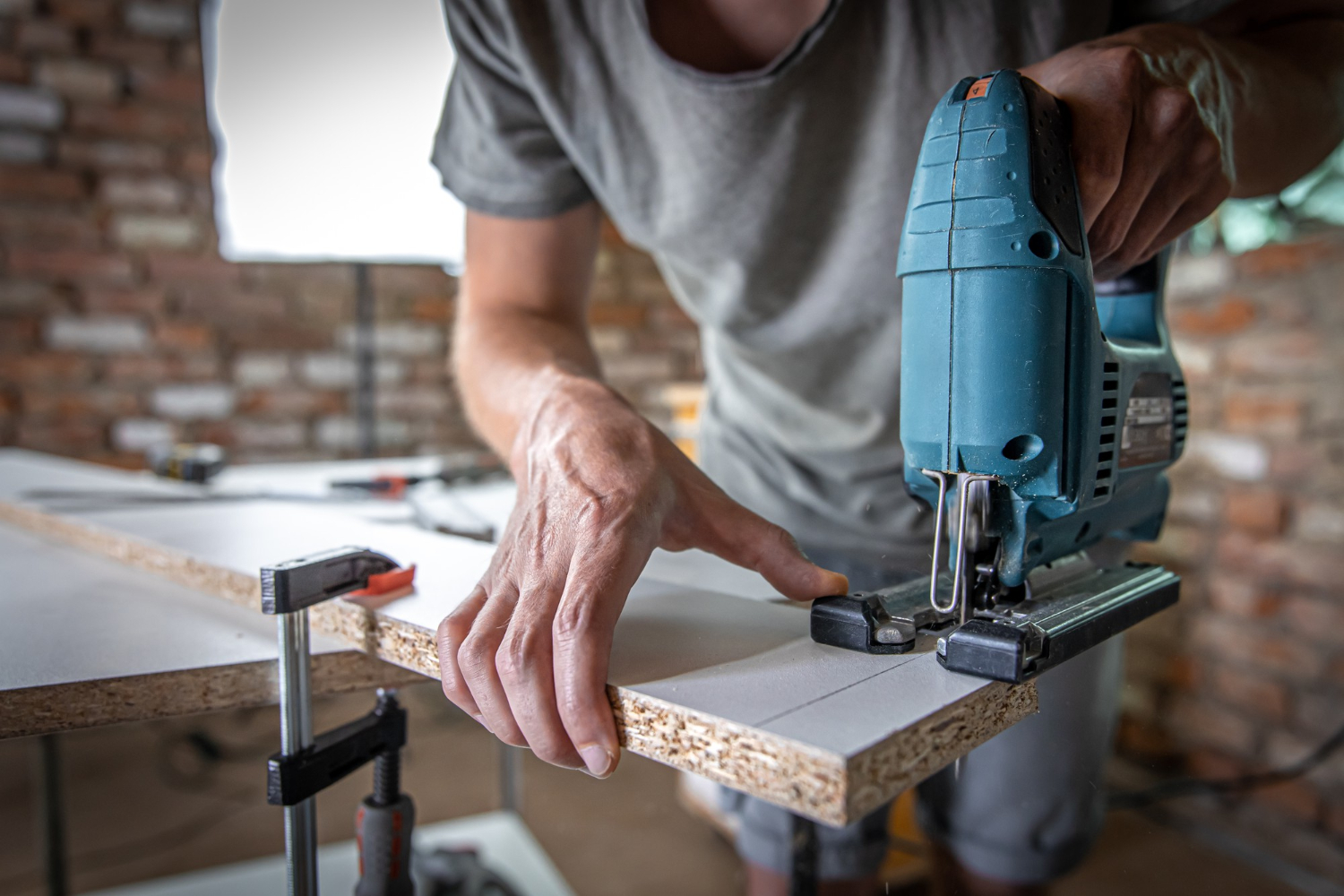
By addressing these factors, homeowners can make informed decisions about their galley kitchen remodel, ensuring that the end result meets their needs and enhances their living space.
Remodeling a Galley Kitchen: Key Steps and Considerations
Planning Your Galley Kitchen Remodel
Remodeling a galley kitchen requires careful planning to ensure that the project meets your needs and stays within budget. Here are the essential steps you should follow:
1. Set a Budget
Before diving into the remodel, establish a budget that includes all potential costs. Here are some average figures to consider:
- Cabinets: $100 to $1,200 per linear foot, depending on material and style.
- Countertops: $50 to $200 per square foot, depending on the material (e.g., laminate, granite, quartz).
- Appliances: $1,000 to $5,000 for a full set, including refrigerator, stove, and dishwasher.
- Labor: $50 to $150 per hour, depending on the contractor’s experience and location.
Setting a budget helps you prioritize which aspects of the remodel are most important.
2. Create a Design Plan
Designing a galley kitchen involves maximizing the available space while ensuring functionality. Consider the following:
- Layout: A traditional galley kitchen features two parallel counters with a walkway in between. Ensure that there is enough space (at least 4 feet) between the counters for easy movement.
- Storage: Utilize vertical space with tall cabinets and open shelves. Consider pull-out drawers and organizers to maximize storage efficiency.
- Lighting: Good lighting is essential. Combine ambient, task, and accent lighting to create a well-lit space.
Use design software or consult with a professional designer to visualize your plan.
3. Obtain Necessary Permits
Depending on your local regulations, you may need permits for electrical, plumbing, or structural changes. Check with your local building department to identify what is required. Failing to obtain necessary permits can lead to fines and complications during the remodel.
Executing the Remodel
Once planning is complete, it’s time to execute the remodel. Here’s how to navigate this phase:
1. Demolition
Prepare for the demolition of existing structures. This can include:
- Removing old cabinets, countertops, and appliances.
- Taking out flooring if it is being replaced.
- Ensuring that plumbing and electrical lines are intact before proceeding.
Demolition can take a few days, depending on the kitchen’s size and the extent of the work.
2. Structural Changes
If your remodel involves moving walls or altering plumbing and electrical systems, this is the time to make those changes. Consult with professionals to ensure that all work meets safety codes.
3. Installation of Cabinets and Countertops
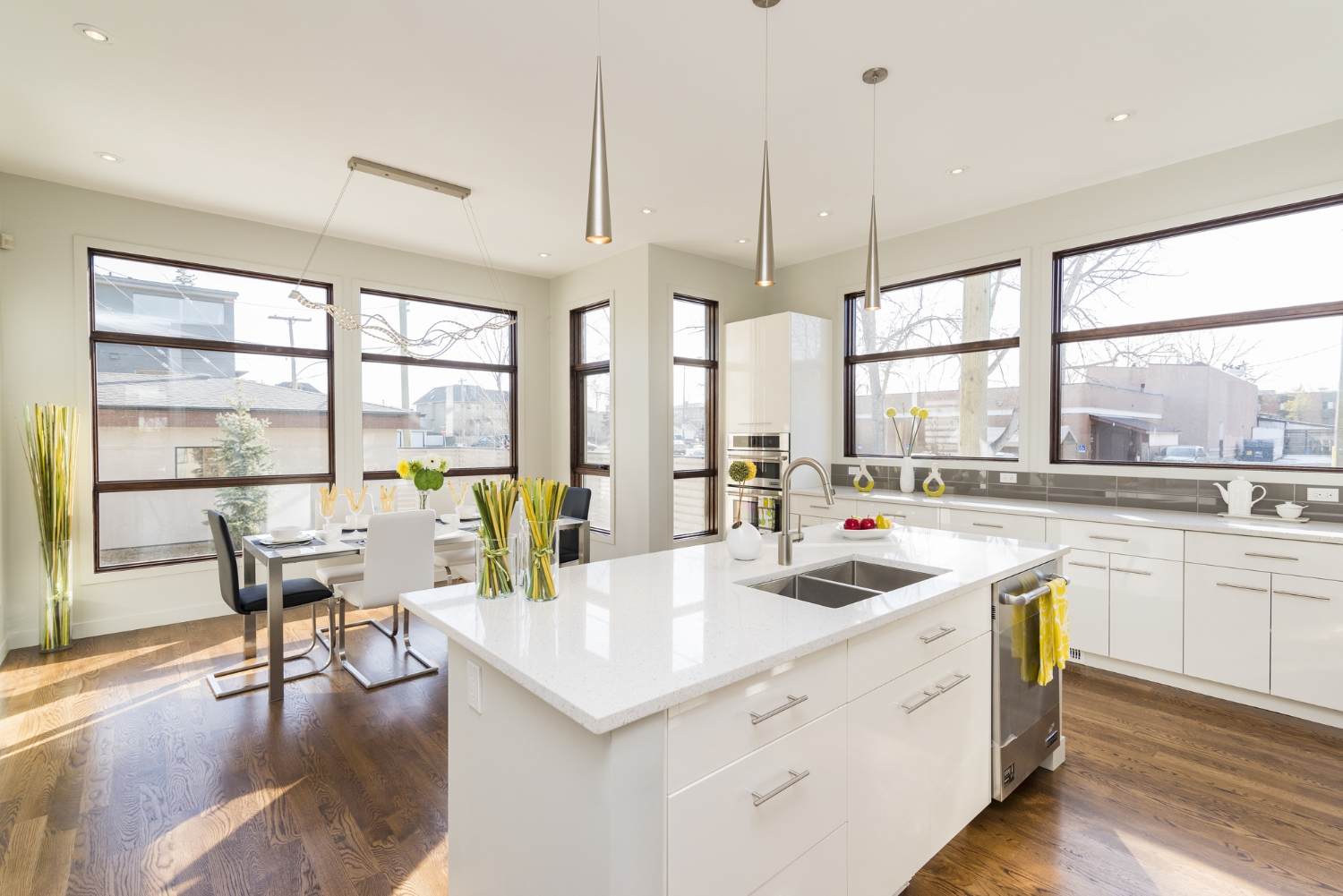
Once the structural changes are complete, begin installing cabinets and countertops:
- Start with base cabinets, ensuring they are level and securely anchored.
- Install wall cabinets next, following the same leveling process.
- Once cabinets are in place, measure and install countertops, ensuring proper sealing and support.
This phase can take one to three weeks, depending on the complexity of the installation.
4. Flooring and Finishing Touches
After the cabinets and countertops are installed, move on to flooring:
- Choose durable flooring options that can withstand kitchen wear and tear, such as tile, vinyl, or hardwood.
- Install flooring before adding appliances to avoid damaging them during installation.
Finally, add finishing touches like backsplash tiles, lighting fixtures, and hardware. These details can significantly enhance the overall look of your galley kitchen.
Challenges to Anticipate
While remodeling a galley kitchen can be rewarding, several challenges may arise:
- Space Limitations: The narrow layout can make it difficult to work efficiently. Consider using multi-functional furniture and appliances to maximize usability.
- Unexpected Costs: Hidden issues, such as plumbing or electrical problems, can arise during demolition. Always set aside a contingency fund of 10-20% of your budget for unexpected expenses.
- Timeline Delays: Projects can take longer than anticipated due to various factors such as shipping delays or contractor availability. Communicate regularly with your contractor to stay updated on progress.
By being aware of these challenges, you can better prepare for them and keep your remodel on track.
Actionable Advice for Remodeling a Galley Kitchen
DIY vs. Professional Work
When deciding whether to tackle the remodel yourself or hire professionals, consider the following factors:
DIY Approach
Taking the DIY route can save money but requires significant time and skill. Here are some pros and cons:
- Pros:
- Cost savings on labor.
- Complete control over the design and execution.
- Flexibility to work at your own pace.
- Cons:
- Time-consuming, especially if you’re inexperienced.
- Potential for mistakes that can increase costs.
- Limited access to professional-grade tools and materials.
Professional Work
Hiring professionals can streamline the process but comes at a higher cost. Consider these factors:
- Pros:
- Expertise in design and execution, reducing the likelihood of errors.
- Access to a network of suppliers and materials.
- Potentially faster completion time due to experience and resources.
- Cons:
- Higher upfront costs for labor.
- Less control over the process and design choices.
- Possible delays due to scheduling conflicts.
Budget vs. Premium Remodel
Understanding the difference between budget and premium remodels can help you make informed decisions about your project.
| Aspect | Budget Remodel | Premium Remodel |
|---|---|---|
| Cabinets | Stock or ready-to-assemble cabinets, typically $100 – $300 per linear foot. | Custom cabinets, ranging from $600 – $1,200 per linear foot. |
| Countertops | Laminate or low-cost materials, around $50 – $100 per square foot. | High-end materials like granite or quartz, averaging $100 – $200 per square foot. |
| Appliances | Basic models, usually $1,000 – $2,500 for a full set. | High-end brands and smart appliances, ranging from $3,000 – $10,000. |
| Flooring | Vinyl or laminate flooring, costing $2 – $5 per square foot. | Hardwood or premium tile, averaging $5 – $15 per square foot. |
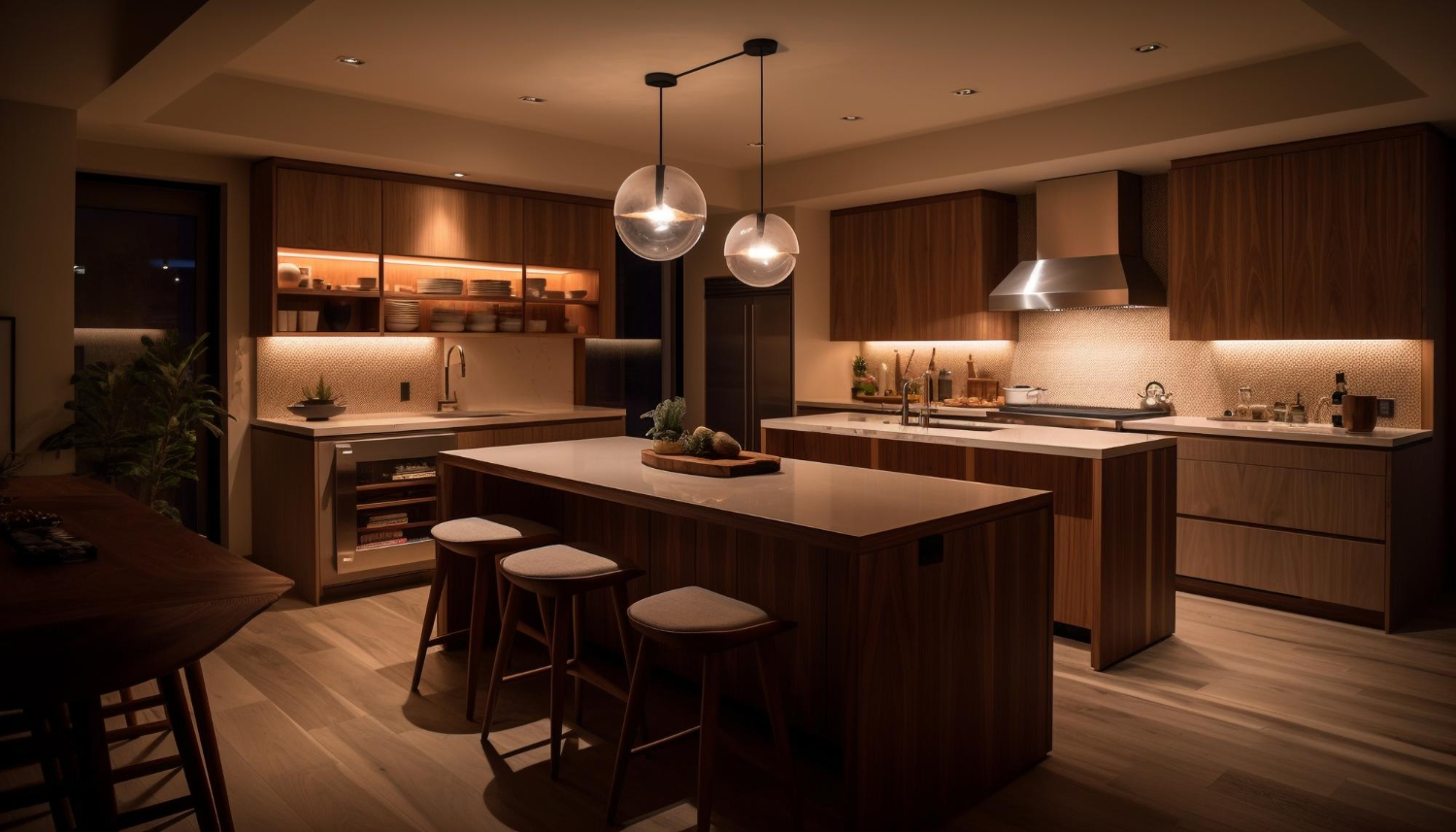
Choosing between a budget or premium remodel depends on your financial situation and long-term goals for your home.
Mistakes to Avoid
Here are common pitfalls to watch out for during your kitchen remodel:
- Ignoring the Workflow: A galley kitchen should prioritize an efficient workflow. Avoid obstructing movement between the stove, sink, and refrigerator.
- Overlooking Storage Needs: Insufficient storage can lead to clutter. Plan for cabinets, drawers, and shelving that meet your storage requirements.
- Neglecting Lighting: Poor lighting can make a small kitchen feel even smaller. Ensure you have adequate task lighting over work areas and ambient lighting for overall brightness.
- Underestimating Costs: Always budget for unexpected expenses. A contingency fund of 10-20% of your total budget is advisable.
- Choosing Trends Over Timelessness: While trendy designs can be appealing, prioritize timeless features that will remain functional and appealing for years.
Insider Tips for a Successful Remodel
To ensure a smoother remodeling process, consider these insider tips:
- Research Materials: Spend time researching the best materials for your kitchen. Look for durability, ease of maintenance, and cost-effectiveness.
- Plan for the Unexpected: Be prepared for surprises during the remodel. Whether it’s discovering plumbing issues or needing additional permits, flexibility is key.
- Communicate Clearly: If you hire professionals, maintain open lines of communication. Regular check-ins can help keep the project on track.
- Take Your Time: Don’t rush the design process. Spend time considering your options to avoid regrets later.
- Document Everything: Keep a detailed record of all expenses, contracts, and communications. This will help in case of disputes or misunderstandings.
Implementing these actionable pieces of advice can help you navigate the complexities of remodeling a galley kitchen and achieve a space that meets your needs and preferences.
Facts and Insights on Remodeling a Galley Kitchen
Statistical Data on Kitchen Remodeling
Remodeling a galley kitchen can yield significant benefits, both in terms of functionality and financial return. Here are some key facts based on statistical data and authoritative sources:
- Return on Investment: According to the 2023 Cost vs. Value report by Remodeling Magazine, a minor kitchen remodel can recoup approximately 72.2% of its cost upon resale, while a major kitchen remodel can recoup about 53.5%.
- Home Value Increase: The National Association of Realtors reports that kitchen remodels are among the top renovations that add value to a home, often leading to an increase in home value by $10,000 to $20,000.
- Energy Efficiency: Upgrading to energy-efficient appliances can save homeowners an average of $100 to $300 annually on utility bills, according to the U.S. Department of Energy.
- Increased Comfort: A well-designed kitchen can improve the cooking experience and make the space more inviting. Homeowners often report increased satisfaction and comfort after a remodel.
Benefits of a Thoughtful Approach
Taking a thoughtful approach to remodeling a galley kitchen can lead to several advantages:
- Cost Savings: Planning ahead and setting a budget can help avoid overspending and unexpected costs. Homeowners who meticulously plan their remodels often save 10-15% compared to those who do not.
- Enhanced Functionality: A well-thought-out design can improve workflow and make cooking and entertaining more enjoyable. This is particularly important in a galley kitchen, where space is limited.
- Personalization: A thoughtful remodel allows homeowners to tailor the kitchen to their specific needs and preferences, increasing overall satisfaction with the space.
When to Start and What to Prioritize
Timing and prioritization are crucial in a kitchen remodel. Here are some tips on when to start and what to focus on:
- Start During Off-Peak Seasons: Consider starting your remodel in the fall or winter months when contractors are less busy. This can lead to better pricing and availability.
- Prioritize Structural Changes: If your remodel includes moving walls or altering plumbing, prioritize these changes first to avoid complications later.
- Focus on Functionality: Ensure that the layout supports efficient workflow. Prioritize storage solutions, counter space, and lighting to enhance usability.
- Invest in Quality Materials: While it may be tempting to cut costs on materials, investing in quality can lead to long-term savings and satisfaction.
Common Insights from Homeowners
Homeowners often share their experiences and insights in online forums, providing valuable perspectives on kitchen remodeling. Here’s a summary of what they commonly say:
| Topic | Common Insights |
|---|---|
| Budgeting | Many recommend setting a strict budget and sticking to it to avoid overspending. |
| DIY vs. Professional | Homeowners often suggest hiring professionals for plumbing and electrical work, while tackling cosmetic updates themselves. |
| Design Choices | Neutral colors and timeless materials are favored for long-term appeal. |
| Storage Solutions | Pull-out drawers and vertical storage are frequently mentioned as essential for maximizing space. |
| Timing | Starting during off-peak seasons can lead to better deals and quicker completion times. |
By considering these facts and insights, homeowners can make informed decisions that enhance both the functionality and value of their galley kitchen.