
How to Remodel a Galley Style Kitchen
Why This Matters for Homeowners
Remodeling a galley style kitchen is a significant undertaking that can dramatically affect both the functionality and aesthetics of your home. For many homeowners, the kitchen is the heart of the home, serving as a space for cooking, entertaining, and family gatherings. Given its importance, a well-planned remodel can enhance your daily life and increase your property value. However, it’s not just about aesthetics; several factors come into play that can complicate the process.
Broader Factors Influencing Your Remodel
- Budget: The first question that arises is how much you’re willing to spend. Remodeling costs can vary widely depending on the extent of the changes, materials chosen, and labor costs. Setting a realistic budget is crucial to avoid overspending.
- Time: Time is another critical factor. A kitchen remodel can take anywhere from a few weeks to several months, depending on the scope of the project. Homeowners need to consider their schedules and whether they can manage without a fully functional kitchen during this period.
- Design: Galley kitchens are known for their efficient use of space, but that doesn’t mean you can’t get creative. The design phase involves choosing layouts, colors, and materials that reflect your personal style while maximizing functionality.
- Regulations: Depending on your location, there may be building codes and regulations that affect your remodel. Permits may be required for structural changes, plumbing, or electrical work. Ignoring these can lead to costly fines and complications down the line.
- Functionality: A remodel should not only focus on aesthetics but also enhance the kitchen’s functionality. Consider how you use the space and what changes would make cooking and entertaining more efficient.
When planning a remodel, homeowners must weigh these factors carefully. A successful kitchen renovation requires thorough research, planning, and often the assistance of professionals. Each aspect plays a role in achieving a kitchen that meets your needs and preferences.
Key Aspects of Remodeling a Galley Style Kitchen

Remodeling a galley style kitchen involves various components that need careful consideration. From planning the layout to selecting materials, each step is crucial for achieving a functional and aesthetically pleasing space. Below are the main aspects you should focus on during the remodeling process.
1. Planning the Layout
Understanding the Galley Kitchen
A galley kitchen is characterized by two parallel countertops with a walkway in between. This design maximizes efficiency but can feel cramped if not executed well. When planning your remodel, consider the following:
- Work Triangle: Ensure that the refrigerator, stove, and sink are positioned to form an efficient work triangle. This layout minimizes the distance you need to travel while cooking.
- Traffic Flow: Keep the walkway clear and unobstructed. Aim for a minimum of 42 inches between countertops to allow for easy movement.
Example Layouts
Consider the following layout options:
- Single Galley: This option keeps everything compact and efficient, ideal for small spaces.
- Double Galley: By adding a second row of cabinets or a small island, you can enhance storage and workspace.
2. Setting a Budget
Average Costs
Remodeling costs can vary significantly based on your choices. Here are some average figures to consider:
- Minor Remodel: $5,000 – $15,000 for cosmetic updates like painting, new fixtures, and hardware.
- Major Remodel: $20,000 – $50,000 for structural changes, new appliances, and high-end finishes.
Budgeting Tips
To stay on track financially:
- Prioritize your needs versus wants. Focus on essential upgrades first.
- Allocate a contingency fund of 10-20% for unexpected expenses.
- Research local contractors and get multiple quotes to find the best deal.
3. Selecting Materials
Cabinetry and Countertops
Choosing the right materials is vital for durability and aesthetics. Consider these options:
- Cabinets: Solid wood cabinets can range from $5,000 to $15,000, while laminate options may start around $2,000.
- Countertops: Granite and quartz can cost between $50 to $200 per square foot, whereas laminate can be as low as $20 per square foot.
Flooring and Backsplash
Flooring should be both stylish and practical. Options include:
- Tile: Durable and water-resistant, costing around $5 to $15 per square foot.
- Vinyl: More budget-friendly, ranging from $1 to $5 per square foot.
For backsplashes, you might consider:
- Subway Tile: Affordable and classic, costing around $3 to $10 per square foot.
- Glass Tile: More expensive, ranging from $10 to $30 per square foot, but adds a modern touch.
4. Hiring Professionals
When to DIY vs. Hire
While some tasks can be tackled on your own, others require professional expertise. Here’s a breakdown:
- DIY: Painting, installing hardware, and minor updates can often be done by homeowners.
- Hire Professionals: Electrical work, plumbing, and structural changes should always be handled by licensed contractors.
Finding the Right Contractor
When hiring a contractor, consider the following steps:
- Check reviews and references.
- Verify licensing and insurance.
- Request a detailed estimate and timeline before starting.
5. Timelines and Challenges
Typical Timeline
The timeline for a kitchen remodel can vary, but here’s a general outline:
- Planning and Design: 2-4 weeks
- Permits and Approvals: 1-6 weeks, depending on local regulations
- Construction: 4-12 weeks, depending on the scope of work
Potential Challenges

Be prepared for common challenges that can arise during a remodel:
- Delays: Supply chain issues or contractor availability can push back timelines.
- Budget Overruns: Unexpected costs can arise, so keep a buffer in your budget.
- Design Changes: Last-minute changes can affect both time and costs, so try to finalize your plans before starting.
Actionable Advice for Remodeling a Galley Style Kitchen
When it comes to remodeling a galley style kitchen, there are various approaches you can take, each with its own set of advantages and pitfalls. Understanding these options can help you make informed decisions and avoid common mistakes. Below, we break down actionable advice, compare common approaches, and provide insider tips.
1. DIY vs. Professional Work
Comparing Approaches
Deciding whether to tackle the remodel yourself or hire professionals can significantly impact the outcome. Here’s a comparison of both approaches:
| Aspect | DIY | Professional Work |
|---|---|---|
| Cost | Lower initial costs; save on labor | Higher costs due to labor and expertise |
| Time | Longer due to learning curves and other commitments | Generally faster due to experience and resources |
| Quality | Varies based on skill level; potential for mistakes | Higher quality due to expertise and professional tools |
| Stress | Can be high if you lack experience | Lower stress; professionals handle challenges |
When to Choose Each Approach
- DIY: Consider this for cosmetic changes like painting, installing new hardware, or replacing fixtures. If you have some handy skills and time, DIY can be rewarding.
- Professional Work: Hire experts for plumbing, electrical work, or structural changes. These tasks require specialized knowledge and can be risky if done incorrectly.
2. Budget vs. Premium Remodel
Understanding Your Options
The budget you set for your remodel will dictate the materials and finishes you can choose. Here’s a breakdown of budget and premium remodels:
| Aspect | Budget Remodel | Premium Remodel |
|---|---|---|
| Cost | $5,000 – $15,000 | $20,000 – $50,000+ |
| Materials | Laminate, stock cabinets, basic fixtures | High-end granite, custom cabinetry, designer fixtures |
| Longevity | Shorter lifespan; may need updates sooner | Durable and long-lasting; higher resale value |
| Return on Investment | Moderate ROI; good for quick sales | High ROI; adds significant value to the home |
Choosing the Right Approach
- Budget Remodel: Ideal for first-time homeowners or those looking to sell quickly. Focus on essential updates to improve functionality and aesthetics without breaking the bank.
- Premium Remodel: Best for homeowners planning to stay long-term. Invest in high-quality materials and finishes that enhance both your living experience and property value.
3. Common Mistakes to Avoid
Top Pitfalls
Avoiding common mistakes can save time, money, and stress during your remodel:
- Neglecting Planning: Failing to plan can lead to costly changes mid-project. Take the time to finalize your design and budget before starting.
- Ignoring the Work Triangle: Disregarding the kitchen work triangle can make cooking inefficient. Ensure your layout supports a smooth workflow.
- Overlooking Storage: Galley kitchens can feel cramped without adequate storage. Plan for cabinets, shelves, and other storage solutions to keep the space functional.
- Underestimating Costs: Many homeowners underestimate the total cost of a remodel. Always include a contingency fund for unexpected expenses.
4. Insider Tips
Maximizing Your Remodel
Here are some insider tips to enhance your remodeling experience:
- Invest in Lighting: Good lighting can transform a small space. Consider under-cabinet lighting, pendant lights, or track lighting for both functionality and ambiance.
- Choose Open Shelving: Open shelves can create a more spacious feel and provide easy access to frequently used items.
- Focus on Energy Efficiency: Invest in energy-efficient appliances to save on utility bills in the long run. Look for Energy Star-rated options.
- Consult a Designer: Even if you’re on a budget, a consultation with a kitchen designer can provide valuable insights and help you avoid costly mistakes.
Facts About Remodeling a Galley Style Kitchen
When considering a remodel for a galley style kitchen, it’s essential to rely on data and insights from industry experts. A thoughtful approach can yield numerous benefits, including cost savings, increased home value, and enhanced comfort. Below are some key facts to consider when embarking on your remodeling journey.
1. Statistical Insights
Cost vs. Value
According to the 2023 Cost vs. Value Report by Remodeling Magazine, homeowners can expect to recoup approximately 72% of their kitchen remodel costs upon resale. This statistic highlights the financial benefits of investing in a well-planned remodel.
- Minor Kitchen Remodel: Average cost is about $26,000, with an average return of $18,000.
- Major Kitchen Remodel: Average cost is around $75,000, with a return of approximately $52,000.
Impact on Home Value
HomeAdvisor reports that a kitchen remodel can increase a home’s value by 20% to 30%. In high-demand areas, this can make a significant difference in marketability.
2. Benefits of a Thoughtful Approach
Saving Money
Taking the time to plan and budget can lead to substantial savings:
- Smart Material Choices: Opting for mid-range materials rather than high-end luxury options can save thousands without sacrificing quality.
- Energy Efficiency: Upgrading to energy-efficient appliances can reduce utility bills by up to 30%, providing long-term savings.
Improving Comfort
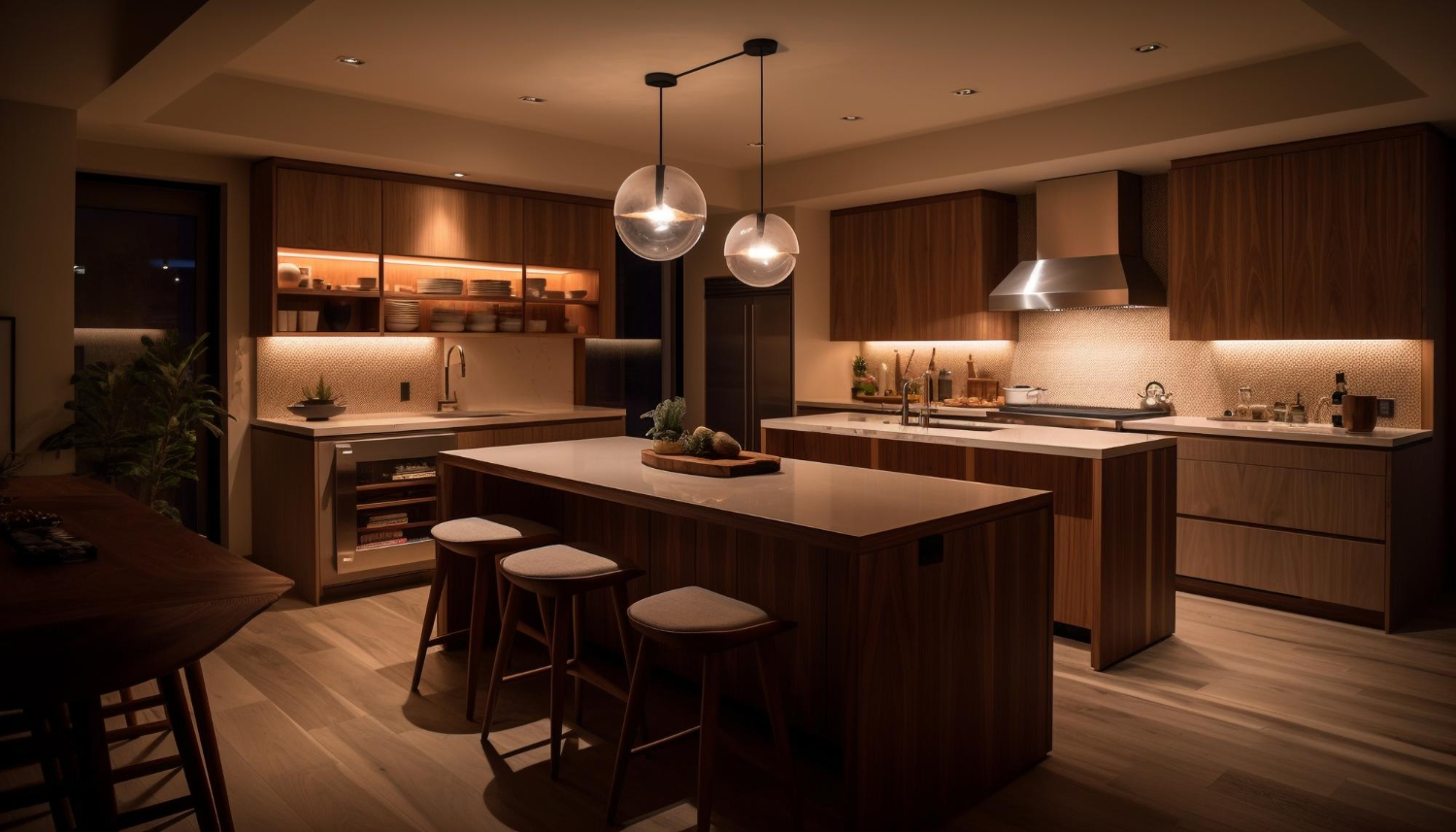
A well-designed kitchen enhances daily living:
- Better Workflow: A thoughtful layout can reduce cooking time and make meal prep more enjoyable.
- Increased Space: Smart storage solutions can declutter your kitchen, making it feel more spacious and organized.
3. Prioritizing Your Remodel
When to Start
The best time to start your remodel is typically in the spring or fall when contractors are less busy. This timing can lead to better availability and potentially lower costs.
What to Prioritize
Focus on the following elements for a successful remodel:
- Layout: Ensure the kitchen layout supports efficient movement and workflow.
- Storage Solutions: Incorporate cabinets, shelves, and other storage options to maximize space.
- Appliances: Invest in energy-efficient appliances that can save money in the long run.
- Lighting: Adequate lighting can enhance the ambiance and functionality of the kitchen.
4. Common Insights from Homeowners
Homeowners often share their experiences and advice in online forums. Here’s a summary of what they commonly say:
| Common Advice | Details |
|---|---|
| Plan Thoroughly | Many emphasize the importance of planning every detail before starting to avoid costly changes later. |
| Stay on Budget | Homeowners recommend setting a realistic budget and sticking to it to prevent overspending. |
| Don’t Rush | Taking time to choose materials and designs can lead to a more satisfying result. |
| Consult Professionals | Even if you plan to DIY, many suggest consulting with designers or contractors for expert advice. |