
How to Remodel a Kitchen in a Condo
Why Kitchen Remodeling Matters
Remodeling a kitchen in a condo is a significant undertaking that can dramatically enhance the functionality, aesthetics, and value of your living space. For homeowners, the kitchen is often considered the heart of the home, serving as a gathering place for family and friends. A well-designed kitchen can improve daily living experiences, making cooking and entertaining more enjoyable. However, this process is not as simple as it may seem. Several factors come into play that can influence the success of your kitchen remodel.
Financial Considerations
One of the first aspects to consider is your budget. Kitchen remodels can range from minor updates to complete overhauls, and costs can vary widely based on the scope of work and materials chosen. Homeowners should:
- Set a clear budget that includes all potential costs, such as materials, labor, and permits.
- Prepare for unexpected expenses that may arise during the remodeling process.
- Consider financing options if the remodel exceeds available funds.
Time Commitment

The timeline for a kitchen remodel can also be a significant factor. Depending on the complexity of the project, it may take anywhere from a few weeks to several months to complete. Homeowners should:
- Plan for potential disruptions to daily life, including cooking and access to the kitchen.
- Set realistic timelines with contractors to avoid delays.
- Be prepared for the possibility of living in a construction zone during the remodel.
Design Choices
Design plays a critical role in a kitchen remodel. Homeowners must consider their personal style, the functionality of the space, and how the kitchen will fit within the overall aesthetic of the condo. Key considerations include:
- Choosing a layout that maximizes space and improves workflow.
- Selecting materials and finishes that are durable and easy to maintain.
- Incorporating modern appliances that enhance efficiency.
Regulatory Factors
Before embarking on a kitchen remodel, it’s essential to be aware of any regulations or restrictions that may apply, particularly in condo settings. Homeowners should:
- Check with the condo association for rules regarding renovations.
- Obtain necessary permits if structural changes are planned.
- Consider noise restrictions and working hours to minimize disruption to neighbors.
By carefully considering these factors, homeowners can navigate the complexities of remodeling a kitchen in a condo, ensuring a successful and satisfying outcome.
Remodeling a Kitchen in a Condo: Key Aspects
1. Planning and Design
Remodeling a kitchen starts with a solid plan and design. This phase is crucial as it sets the foundation for the entire project. Here are the steps to consider:
Define Your Goals
Before diving into the design, determine what you want to achieve. Are you looking to improve functionality, update aesthetics, or increase property value?
- Functionality: Consider how you use your kitchen daily. Do you need more counter space or storage?
- Aesthetics: Think about the style you want to achieve—modern, traditional, or eclectic.
- Value: Research what features are appealing in your condo market to ensure your remodel adds value.
Choose a Layout
The layout of your kitchen is critical, especially in a condo where space is often limited. Common layouts include:
- Galley: Efficient for narrow spaces, this layout features two parallel countertops.
- L-Shape: Utilizes two adjacent walls, maximizing corner space.
- U-Shape: Offers ample storage and counter space, ideal for larger kitchens.
Consider consulting a designer to help visualize your space and make the best use of available square footage.
Timeline for Planning
Planning can take anywhere from a few weeks to several months, depending on the complexity of your design and the availability of materials.
- Initial consultations: 1-2 weeks
- Design development: 2-4 weeks
- Finalizing plans and permits: 2-6 weeks
2. Budgeting for Your Remodel
Establishing a budget is essential to avoid overspending. Kitchen remodels can vary significantly in cost:
- Minor remodels: $10,000 – $20,000 (cosmetic updates like painting and replacing fixtures)
- Mid-range remodels: $20,000 – $50,000 (new cabinets, countertops, and appliances)
- High-end remodels: $50,000 and up (custom cabinetry, high-end appliances, and extensive structural changes)
Cost Breakdown
A typical kitchen remodel budget may include:
- Cabinets: 30% of the total budget
- Countertops: 10-15%
- Appliances: 15-20%
- Labor: 20-35%
- Miscellaneous (fixtures, flooring, etc.): 10-15%

Be prepared to allocate an extra 10-20% for unexpected expenses.
3. Selecting Materials and Appliances
Choosing the right materials and appliances can greatly impact both the look and longevity of your kitchen.
Materials
Consider the following when selecting materials:
- Countertops: Quartz and granite are popular for durability and aesthetics, ranging from $50 to $200 per square foot.
- Cabinets: Solid wood cabinets can cost between $100 to $500 per linear foot, while laminate options are more budget-friendly.
- Flooring: Options like tile, hardwood, or vinyl can range from $2 to $15 per square foot.
Appliances
Investing in energy-efficient appliances can save money in the long run. Average costs include:
- Refrigerator: $800 – $3,000
- Oven/Range: $600 – $2,500
- Dishwasher: $400 – $1,500
4. Hiring Professionals vs. DIY
Deciding whether to hire professionals or tackle the project yourself can significantly affect the outcome and timeline of your remodel.
Pros and Cons of Hiring Professionals
- Pros:
- Expertise: Professionals bring experience and knowledge to the project.
- Time-saving: They can complete the project faster than most homeowners.
- Cons:
- Cost: Hiring professionals can significantly increase your budget.
- Finding the right contractor: It can be challenging to find a reliable and skilled contractor.
When to Consider DIY
If you are handy and have experience with home improvement projects, consider tackling smaller tasks yourself, such as:
- Painting walls and cabinets
- Installing backsplash tiles
- Replacing fixtures
However, for major installations like plumbing or electrical work, hiring a professional is advisable to avoid safety hazards.
5. Navigating Regulations and Permits
Before starting your remodel, it is crucial to understand the regulations that apply to condo renovations.
Condo Association Rules
Most condo associations have specific guidelines regarding renovations. Common restrictions include:
- Hours of construction work
- Types of materials allowed
- Limitations on structural changes
Permits
Depending on the scope of your remodel, you may need permits for plumbing, electrical work, or structural changes.
- Check local building codes: Failing to obtain necessary permits can lead to fines and complications when selling your condo.
- Allow time for permit approval: This process can take several weeks, so factor it into your timeline.
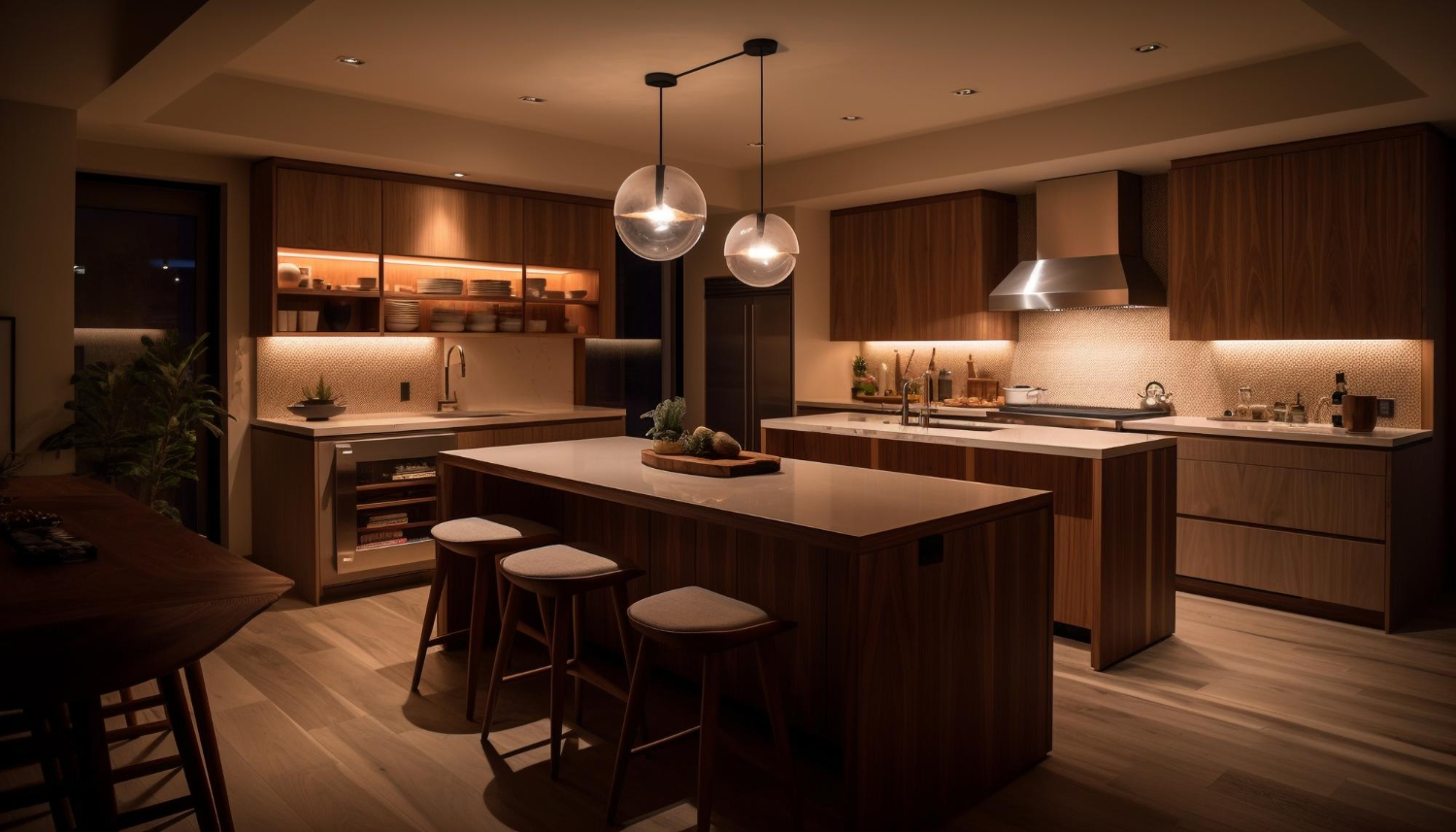
By addressing these key aspects of remodeling a kitchen in a condo, homeowners can approach their project with clarity and confidence, ultimately achieving a space that meets their needs and enhances their living environment.
Actionable Advice for Remodeling a Kitchen in a Condo
1. DIY vs. Professional Work
When deciding between DIY and hiring professionals for your kitchen remodel, weigh the pros and cons of each approach.
DIY Approach
Undertaking a DIY remodel can save money and give you a sense of accomplishment. However, it requires time, skill, and a willingness to learn. Here are some actionable tips:
- Start Small: Begin with manageable tasks like painting or installing a backsplash to build confidence.
- Research: Utilize online resources, tutorials, and videos to guide you through the process.
- Invest in Quality Tools: Good tools can make a significant difference in the quality of your work.
Professional Work
Hiring professionals can ensure high-quality results, especially for complex tasks. Here are some considerations:
- Get Multiple Quotes: Compare estimates from different contractors to find the best value.
- Check References: Look for reviews and past work to gauge the contractor’s reliability.
- Negotiate: Don’t hesitate to discuss pricing and ask for adjustments based on your budget.
2. Budget vs. Premium Remodel
Choosing between a budget-friendly remodel and a premium upgrade largely depends on your goals, lifestyle, and the value you want to add to your condo.
Budget Remodel
A budget remodel focuses on maximizing value while minimizing costs. Consider these strategies:
- Refinish Cabinets: Instead of replacing them, consider refinishing or painting existing cabinets.
- Affordable Countertops: Opt for laminate or butcher block instead of high-end materials.
- Shop Sales: Look for discounts on appliances and fixtures during holiday sales.
Premium Remodel
A premium remodel typically includes high-end finishes and appliances, offering a luxurious feel. Key considerations include:
- Custom Cabinets: Invest in tailored cabinetry that fits your specific needs and style.
- High-End Appliances: Choose energy-efficient, top-of-the-line appliances that enhance performance.
- Unique Materials: Use premium materials like marble or quartz for a high-end look.
3. Mistakes to Avoid
Avoiding common pitfalls can save time and money during your remodel. Here are some mistakes to watch out for:
- Underestimating Costs: Always budget for 10-20% more than your initial estimate to cover unexpected expenses.
- Ignoring Flow and Functionality: Ensure the design allows for easy movement and workflow within the kitchen.
- Neglecting Lighting: Plan for adequate lighting to enhance both functionality and ambiance.
4. Insider Tips
Maximize your remodel’s effectiveness with these insider tips:
- Focus on the Kitchen Triangle: Ensure the stove, sink, and refrigerator are positioned in a triangular layout for optimal efficiency.
- Use Open Shelving: Consider open shelving to create an airy feel and showcase decorative items.
- Plan for Future Needs: Think ahead about how your kitchen may need to adapt as your lifestyle changes.
5. Comparative Table of DIY vs. Professional Work
| Aspect | DIY | Professional |
|---|---|---|
| Cost | Generally lower, but depends on skill level and tools | Higher due to labor and expertise |
| Time | Can take longer; depends on personal schedule | Typically faster due to experience and manpower |
| Quality | Varies widely; depends on skill and effort | Generally higher, especially for complex tasks |
| Control | Complete control over design and execution | Less control; relies on contractor’s vision |
| Stress Level | Can be stressful, especially for beginners | Less stressful; professionals manage the project |
By considering these actionable pieces of advice, homeowners can navigate their kitchen remodel with greater confidence and efficiency, ultimately achieving a space that aligns with their needs and preferences.
Facts About Remodeling a Kitchen in a Condo
1. Statistical Insights
When considering a kitchen remodel in a condo, it’s essential to rely on factual data that highlights the potential benefits and considerations.
Return on Investment (ROI)
According to the National Association of Realtors, kitchen remodels can yield an ROI of approximately 60-80%. This means that homeowners can expect to recoup a significant portion of their investment when selling their property.
- Minor remodels (cosmetic updates): 80% ROI
- Mid-range remodels (new cabinets and countertops): 60-70% ROI
- High-end remodels: 50-60% ROI
Cost of Remodeling
The average cost to remodel a kitchen in a condo ranges from $10,000 to $50,000, depending on the extent of the renovation. A survey by HomeAdvisor indicates that homeowners typically spend around $25,000 on a mid-range kitchen remodel.
Time Investment
The average kitchen remodel can take between 4 to 12 weeks to complete, depending on the complexity of the project. Homeowners should plan for potential delays due to supply chain issues or contractor availability.
2. Benefits of a Thoughtful Approach
Taking a thoughtful approach to kitchen remodeling can yield numerous benefits, including financial savings, increased home value, and improved comfort.
Saving Money
A well-planned remodel can help avoid unnecessary expenses. For example:
- Setting a clear budget can prevent overspending.
- Choosing cost-effective materials can reduce overall costs without sacrificing quality.
- Doing some tasks yourself can save on labor costs.
Adding Home Value
Investing in a kitchen remodel can significantly enhance the value of your condo. Properties with updated kitchens often sell faster and at higher prices.
- Modern appliances and fixtures are attractive to potential buyers.
- A functional layout increases the appeal of the space.
- High-quality materials can make a lasting impression.
Improving Comfort
A thoughtfully designed kitchen can enhance your daily living experience. Consider the following:
- Increased storage solutions can make cooking and meal prep more efficient.
- Better lighting can improve visibility and create a welcoming atmosphere.
- Upgraded appliances can enhance cooking experiences and reduce energy consumption.
3. When to Start and What to Prioritize
Timing and priorities are key components of a successful kitchen remodel.
When to Start
Consider beginning your remodel during off-peak seasons, typically late fall or winter, when contractors may have more availability.
- Plan for at least three months in advance to allow for design, budgeting, and permitting.
- Consider the local real estate market; remodeling before selling can maximize your return.
What to Prioritize
Focus on the following areas to ensure a successful remodel:
- Functionality: Ensure the layout supports easy movement and workflow.
- Quality Materials: Invest in durable materials that will withstand daily use.
- Energy Efficiency: Choose energy-efficient appliances to save on utility bills.
4. Common Owner Insights from Forums
Homeowners often share their experiences and advice on remodeling forums. Here’s a summary of common insights:
| Insight | Common Sentiment |
|---|---|
| Budgeting is critical | Many emphasize the importance of setting a realistic budget to avoid overspending. |
| Functionality over aesthetics | Homeowners often prioritize a functional layout over purely aesthetic choices. |
| Hiring professionals is worth it | Many recommend hiring experienced contractors for complex tasks to ensure quality. |
| Expect the unexpected | Homeowners frequently mention the need for flexibility due to unexpected issues or costs. |
| Take your time | Many advise against rushing the process, emphasizing the benefits of careful planning. |
By considering these facts and insights, homeowners can approach their kitchen remodel in a condo with a well-informed perspective, leading to a successful and satisfying outcome.
