
How Long Does a Kitchen and Bathroom Remodel Take?
Importance of the Timeline for Homeowners
Remodeling a kitchen or bathroom is a significant investment for homeowners, both in terms of time and money. Knowing how long the project will take is crucial for planning and managing expectations. A remodel can disrupt daily life, especially if these spaces are central to your home’s functionality. Understanding the timeline helps homeowners prepare for the inconvenience and adjust their routines accordingly.
Factors Influencing the Timeline
Several factors can affect the duration of a kitchen or bathroom remodel. These include:
- Scope of Work: The extent of the renovation plays a significant role. A simple cosmetic update will take less time than a complete overhaul involving structural changes.
- Design Complexity: Custom designs or intricate layouts can extend the timeline. More complicated designs often require additional planning and coordination.
- Budget: Financial constraints can impact the timeline. If funds are limited, projects may be done in phases, prolonging the overall duration.
- Permits and Regulations: Depending on local laws, obtaining necessary permits can add time to the project. Homeowners must account for this when planning their remodel.
- Contractor Availability: The schedule of contractors and subcontractors can significantly influence the timeline. Busy seasons may lead to delays in starting or completing the project.
- Material Procurement: The availability of materials can also affect timelines. Custom or specialty items may have longer lead times, causing delays in the overall project.
- Unexpected Issues: Renovations often uncover hidden problems, such as plumbing or electrical issues. These can add significant time to the project as they need to be addressed before moving forward.
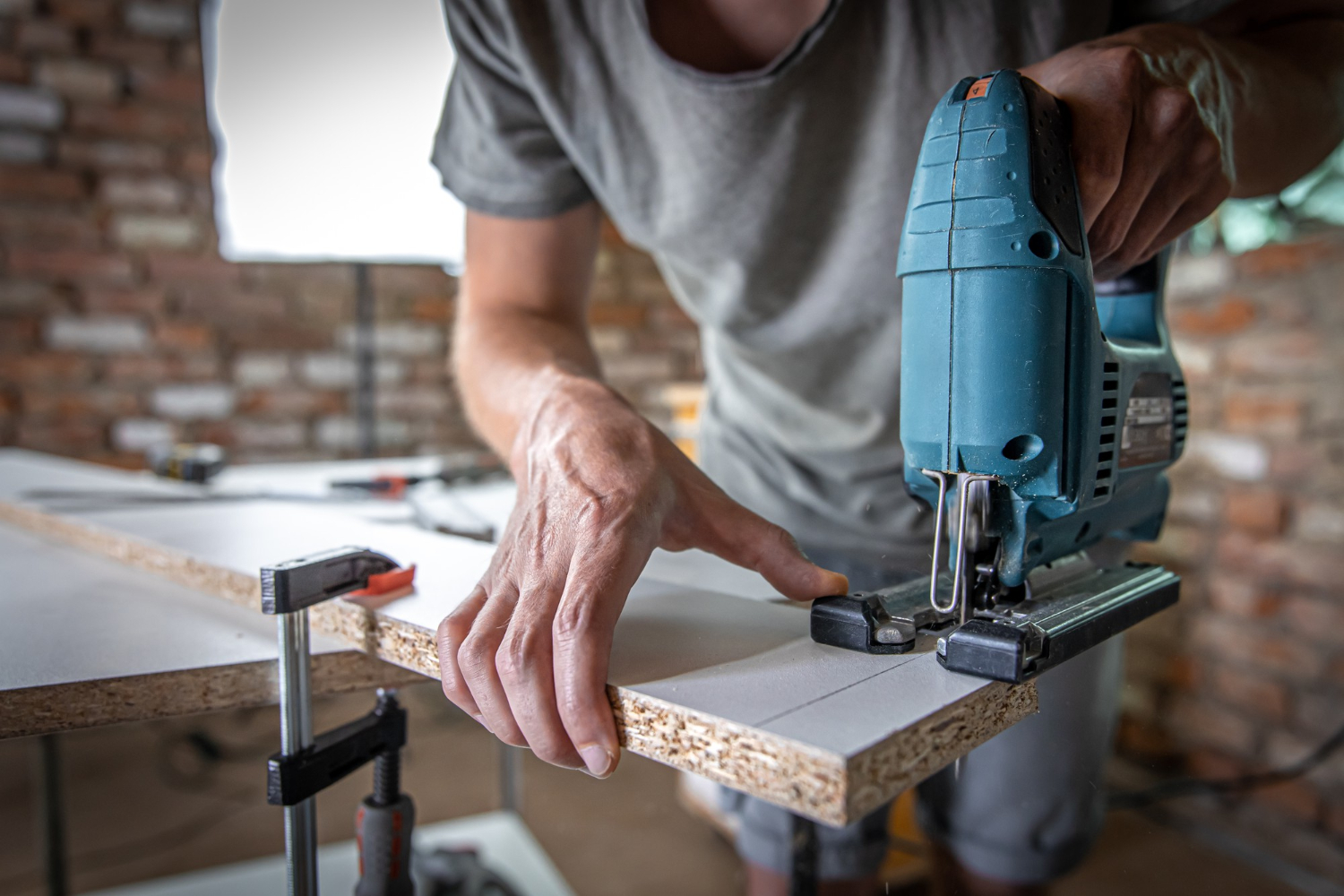
By considering these factors, homeowners can better estimate the time required for their kitchen or bathroom remodel and prepare accordingly.
Understanding the Timeline for Kitchen and Bathroom Remodels
Typical Duration of a Kitchen Remodel
A kitchen remodel can vary greatly in duration depending on several factors. On average, a full kitchen remodel can take anywhere from 6 to 12 weeks. Here’s a breakdown of the stages involved:
1. Planning and Design (2-4 Weeks)
The planning phase is crucial and can take 2 to 4 weeks. During this time, homeowners should:
- Determine their budget and financing options.
- Create a detailed design plan, including layout and materials.
- Consult with a designer or contractor for professional insights.
Challenges during this phase may include indecision on design elements or budget constraints, which can extend the timeline.
2. Permitting (1-3 Weeks)
Once the design is finalized, obtaining necessary permits can take 1 to 3 weeks. This step is essential, especially if structural changes are involved. Delays can occur if the local building department has a backlog or if additional inspections are required.
3. Demolition (1 Week)
The demolition phase typically lasts about a week. This involves removing old cabinets, countertops, and appliances. If unexpected issues arise, such as hidden mold or outdated wiring, this phase can extend.
4. Construction (3-6 Weeks)
The construction phase is where most of the time is spent. This can take anywhere from 3 to 6 weeks, depending on:
- The complexity of the remodel.
- The availability of contractors and subcontractors.
- Lead times for custom materials.
5. Final Touches and Inspection (1-2 Weeks)
After construction, final touches such as installing fixtures, painting, and cleaning can take an additional 1 to 2 weeks. A final inspection may also be required, which can add time if any issues need to be resolved.
Typical Duration of a Bathroom Remodel
A bathroom remodel generally takes less time than a kitchen remodel, averaging between 3 to 8 weeks. Here’s a closer look at the timeline:
1. Planning and Design (1-3 Weeks)
Similar to kitchen remodels, the planning phase for bathrooms can take 1 to 3 weeks. Homeowners should:
- Outline their budget and desired features.
- Choose materials and layout.
- Consult a designer for professional advice.
2. Permitting (1-2 Weeks)
Permitting for bathroom remodels usually takes 1 to 2 weeks. The need for permits depends on the extent of the remodel, such as changing plumbing or electrical systems.
3. Demolition (1 Week)
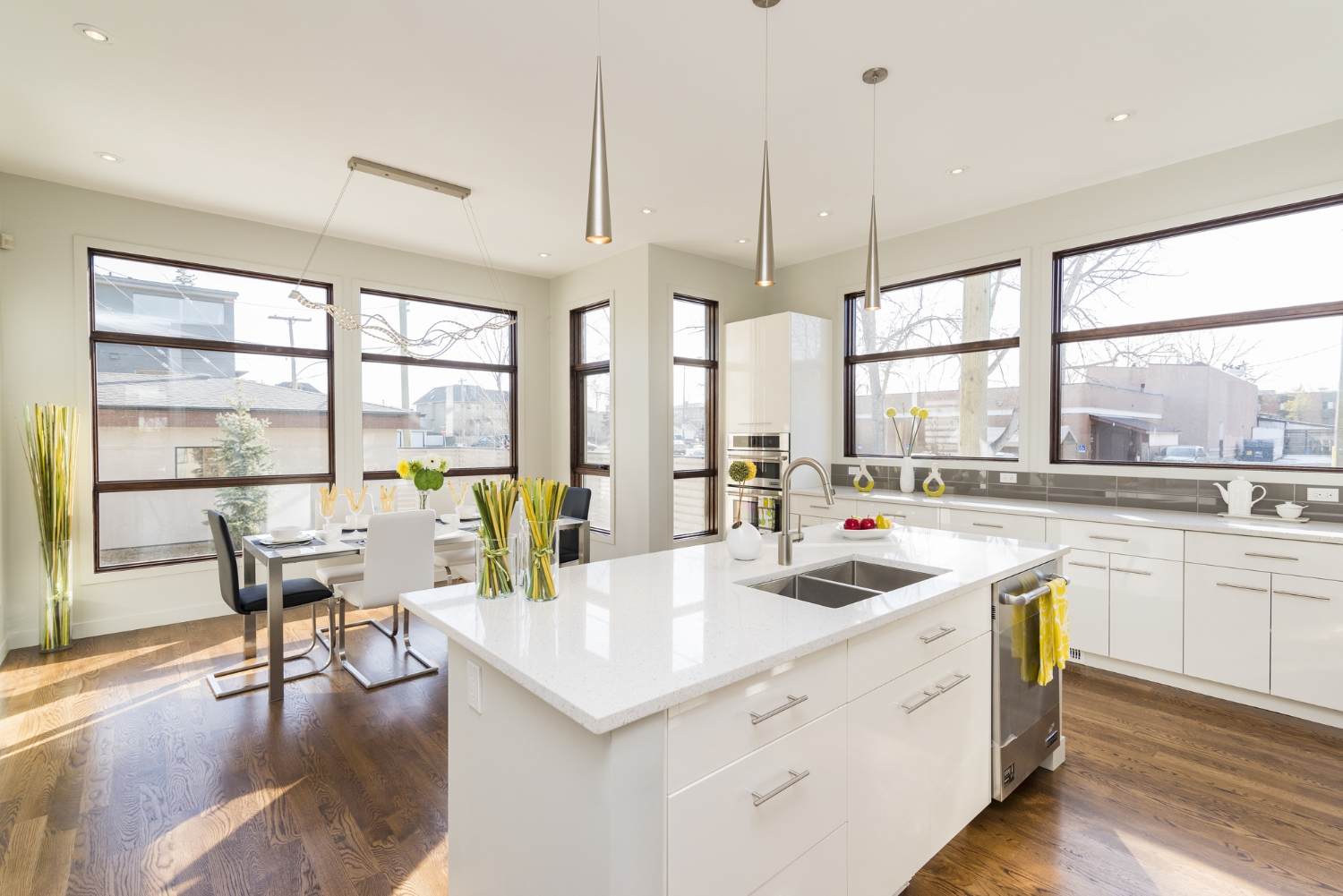
Demolition in a bathroom typically takes about a week. This includes removing old fixtures, tiles, and cabinetry. As with kitchens, unexpected issues can arise, potentially extending this phase.
4. Construction (2-4 Weeks)
The construction phase for bathrooms generally lasts 2 to 4 weeks. Factors influencing this duration include:
- The complexity of the remodel.
- Availability of materials and labor.
- Any unforeseen challenges that may arise.
5. Final Touches and Inspection (1 Week)
Final touches and inspections in a bathroom remodel usually take about a week. This includes installing fixtures, painting, and ensuring everything meets safety standards.
Factors That Can Impact the Timeline
Several elements can affect the overall duration of both kitchen and bathroom remodels:
- Material Delays: Custom or specialty materials may have longer lead times, causing delays.
- Contractor Scheduling: If contractors are busy with other projects, this can push back the start date.
- Weather Conditions: For any outdoor work, inclement weather can halt progress.
- Change Orders: Homeowners may change their minds about design elements mid-project, leading to delays.
By being aware of these factors and planning accordingly, homeowners can better manage their expectations and timelines for kitchen and bathroom remodels.
Actionable Advice for Kitchen and Bathroom Remodels
DIY vs. Professional Work
Deciding between a DIY approach and hiring professionals is a significant choice that can impact both the timeline and overall outcome of your remodel. Here’s a comparison of both approaches:
| Aspect | DIY | Professional |
|---|---|---|
| Cost | Generally lower, but can add up with mistakes. | Higher upfront cost, but often saves money in the long run. |
| Time | Can take longer due to inexperience and scheduling. | Typically faster due to expertise and resources. |
| Quality | Varies; may lack professional finish. | Usually higher quality due to experience and skills. |
| Stress Level | Can be high due to the learning curve and unexpected issues. | Lower stress; professionals manage the project and handle challenges. |
When to Choose DIY
Consider a DIY approach if:
- You have experience with home improvement projects.
- Your budget is tight, and you want to save money.
- The scope of work is minimal, such as painting or replacing fixtures.
When to Hire Professionals
Opt for professional help if:
- The project involves structural changes or extensive plumbing and electrical work.
- You want a high-quality finish without the hassle.
- You have a tight timeline and need the project completed quickly.
Budget vs. Premium Remodel
The budget you set for your remodel will significantly influence the materials, finishes, and overall design. Here’s a comparison of budget and premium remodels:
| Aspect | Budget Remodel | Premium Remodel |
|---|---|---|
| Materials | Affordable options, such as laminate countertops and stock cabinets. | High-quality materials, like granite countertops and custom cabinetry. |
| Design | Basic layouts and finishes, often less personalized. | Custom designs tailored to homeowner preferences. |
| Longevity | Shorter lifespan; may require updates sooner. | Long-lasting; built to withstand wear and tear. |
| Return on Investment (ROI) | Lower ROI; may not significantly increase home value. | Higher ROI; can substantially increase home value. |
Tips for Budget Remodels
If you’re working with a budget, consider these strategies:
- Focus on cosmetic updates, such as painting cabinets instead of replacing them.
- Shop sales and clearance items for materials and fixtures.
- Keep the existing layout to avoid costly plumbing and electrical changes.
Tips for Premium Remodels
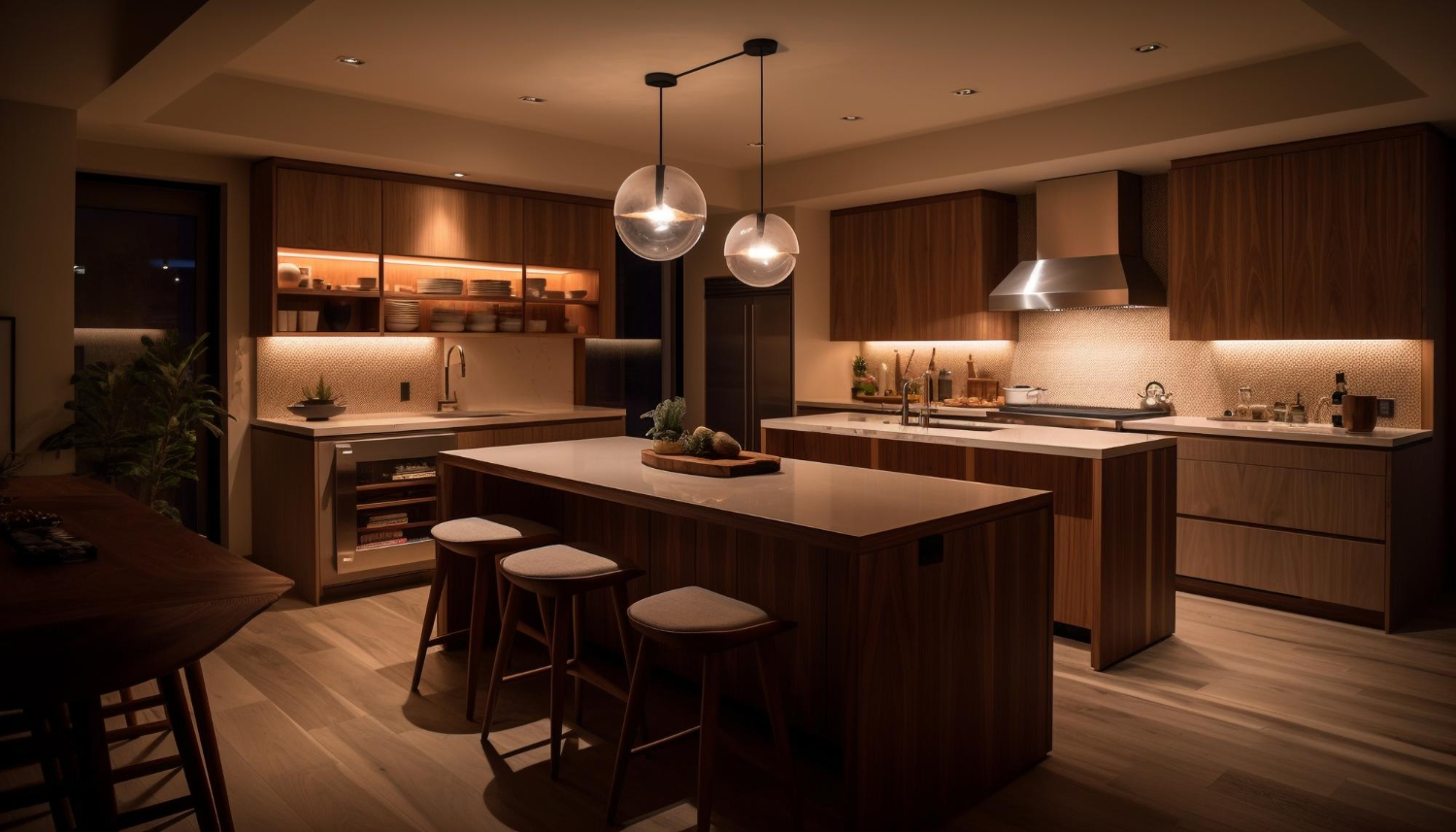
For a premium remodel, keep these tips in mind:
- Invest in high-quality materials that will last longer.
- Work with a designer to create a cohesive and functional space.
- Consider energy-efficient appliances and fixtures to save money in the long run.
Common Mistakes to Avoid
Avoiding common pitfalls can save time, money, and frustration during your remodel:
- Skipping the Planning Stage: Failing to plan can lead to costly mistakes and delays.
- Underestimating Costs: Always budget for unexpected expenses, typically 10-20% over your initial estimate.
- Choosing Trends Over Timelessness: Trends may quickly go out of style; opt for classic designs that stand the test of time.
- Ignoring Functionality: Ensure the space is practical for your needs, not just aesthetically pleasing.
Insider Tips for a Successful Remodel
To ensure your remodel goes smoothly, consider these insider tips:
- Communicate clearly with your contractor about expectations and timelines.
- Document everything, including contracts and change orders, to avoid misunderstandings.
- Be flexible; unexpected issues will arise, and adaptability is key.
- Inspect all work regularly to catch any problems early before they escalate.
Facts About Kitchen and Bathroom Remodel Timelines
Statistical Data on Remodel Durations
Understanding the average timelines for kitchen and bathroom remodels can help homeowners make informed decisions. Here are some key statistics:
- The average kitchen remodel takes approximately 6 to 12 weeks. (Source: National Kitchen and Bath Association)
- Bathroom remodels typically range from 3 to 8 weeks, depending on the scope of work. (Source: HomeAdvisor)
- According to Remodeling Magazine, midrange kitchen remodels have an ROI of about 60-70%, while upscale remodels can yield around 53% ROI.
- Homeowners often report spending an average of $20,000 to $50,000 on kitchen remodels and $10,000 to $25,000 on bathroom remodels. (Source: HomeAdvisor)
Benefits of a Thoughtful Approach
Taking a thoughtful approach to remodeling can yield several benefits:
- Saving Money: By planning and budgeting effectively, homeowners can avoid unexpected costs that can arise during a remodel.
- Adding Home Value: Well-executed remodels can significantly increase the resale value of a home, making it more appealing to potential buyers.
- Improving Comfort: A remodel can enhance the functionality and aesthetics of a space, making it more enjoyable to use daily.
When to Start Your Remodel
Timing can be critical when planning a remodel. Here are some considerations for when to start:
- Spring and summer are popular times for renovations due to favorable weather conditions, especially for outdoor work.
- Consider starting during the off-peak season (fall or winter) when contractors may have more availability and potentially lower rates.
- Begin planning at least 3-6 months in advance, allowing time for design, permits, and contractor scheduling.
What to Prioritize
When planning your remodel, focus on these priorities:
- Establish a clear budget that includes a contingency fund for unexpected expenses.
- Choose a layout that maximizes functionality and flow in the space.
- Select durable, high-quality materials that will stand the test of time.
- Consider energy-efficient appliances and fixtures to reduce long-term costs.
Common Feedback from Homeowners
Homeowners often share their experiences in forums, providing valuable insights into the remodeling process. Here’s a summary of common comments:
| Feedback Theme | Common Comments |
|---|---|
| Budgeting | “Always expect to spend 10-20% more than your initial budget.” |
| Time Management | “Plan for delays; they are almost inevitable.” |
| Design Choices | “Choose timeless designs over trends for lasting appeal.” |
| Contractor Selection | “Do your research and get multiple quotes before hiring.” |