
How Long Does a Kitchen Remodel Last?
Why This Question Matters
When planning a kitchen remodel, one of the first questions homeowners often ask is, “How long will this last?” This inquiry is crucial for several reasons. The kitchen is often considered the heart of the home, where families gather, meals are prepared, and memories are made. A remodel is not just a financial investment; it’s an emotional one as well. Knowing the longevity of your remodel can help you make informed decisions about design, materials, and budget.
Additionally, understanding the lifespan of a kitchen remodel can impact your overall home value. A well-executed kitchen renovation can significantly increase your home’s market appeal and resale value. Conversely, a poorly planned remodel may lead to costly repairs down the line, affecting your home’s worth negatively.
Factors Influencing the Longevity of a Kitchen Remodel
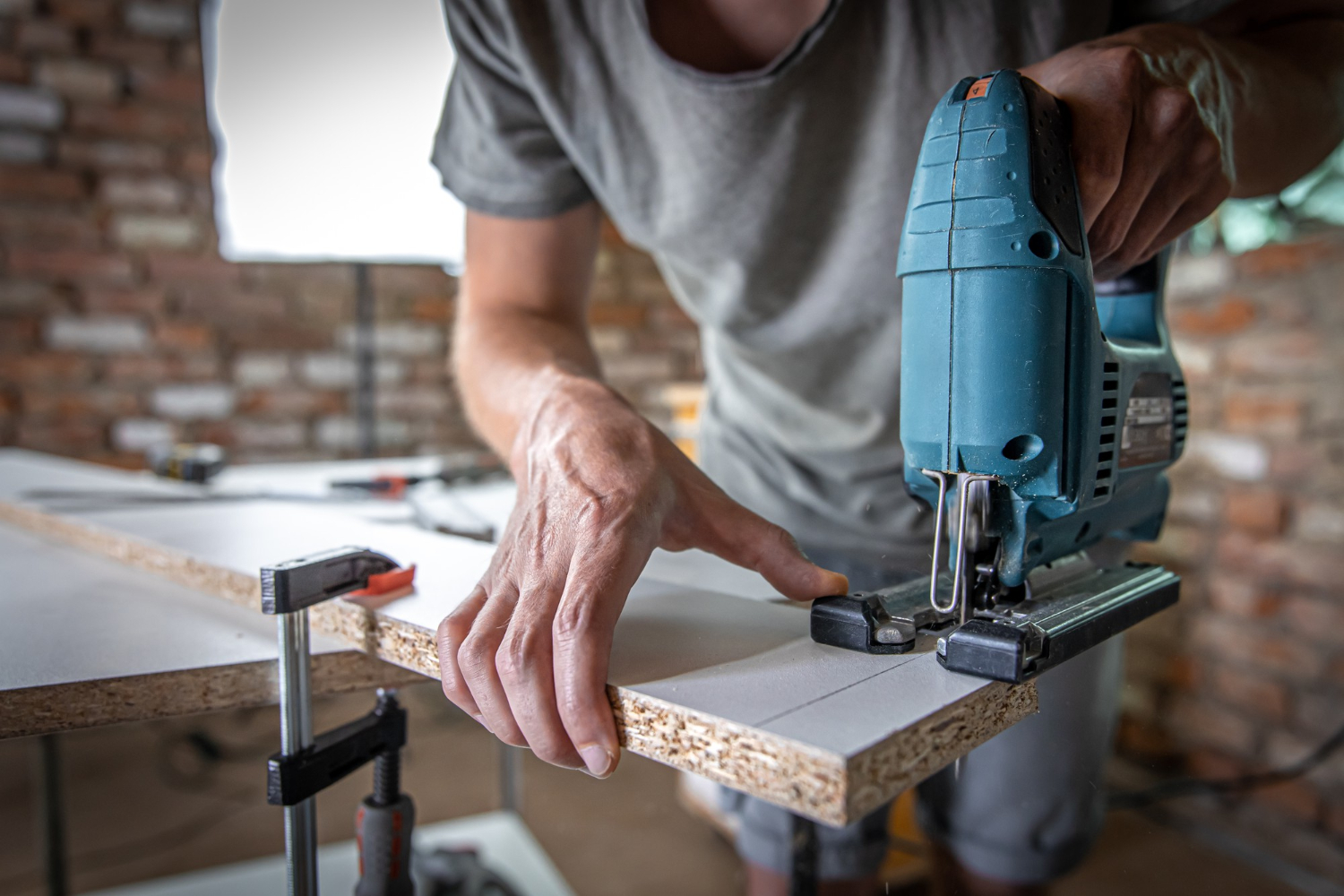
Several broader factors can influence how long a kitchen remodel lasts. Here are the key elements to consider:
- Budget: The amount of money you allocate for your remodel will directly affect the quality of materials used and the extent of the renovations. Higher-quality materials and professional labor tend to last longer.
- Time: The duration of the remodel itself can impact its longevity. Rushed projects may cut corners, leading to future issues.
- Design Choices: Trends come and go. Choosing timeless designs and durable materials can extend the life of your kitchen remodel.
- Regulations and Codes: Compliance with local building codes and regulations is essential. Failing to adhere to these can result in problems that shorten the lifespan of your remodel.
- Usage: How often and in what ways you use your kitchen can also affect how long your remodel lasts. A kitchen that sees heavy daily use may wear out faster than one used occasionally.
In summary, the question of how long a kitchen remodel lasts is multifaceted, influenced by financial, temporal, design, regulatory, and usage factors. Homeowners should carefully consider these aspects to ensure their kitchen remodel meets their needs and expectations over the long term.
How Long Does a Kitchen Remodel Last?
Understanding the Lifespan of Kitchen Remodels
When it comes to kitchen remodels, the lifespan can vary significantly based on several factors. On average, a kitchen remodel can last anywhere from 10 to 30 years, depending on the materials used, the quality of the work, and how well the space is maintained. Below, we break down the main aspects that influence this timeline.
1. Quality of Materials
The choice of materials plays a pivotal role in determining how long your kitchen remodel will last. Here are some examples of common materials and their average lifespans:
- Cabinets: High-quality wood cabinets can last 20-30 years, while lower-quality particleboard options may only last 10-15 years.
- Countertops: Granite and quartz countertops can last over 20 years, while laminate surfaces may need replacement in 10-15 years.
- Flooring: Tile and hardwood floors can last 20-30 years, while vinyl and laminate may only last around 10-15 years.
Investing in durable materials can significantly extend the life of your kitchen remodel.
2. Professional vs. DIY Work
The quality of labor involved in the remodel is another crucial factor. Hiring professionals can lead to a more durable and well-executed renovation, while DIY projects may result in shortcuts that could shorten the lifespan of the remodel.
- Professional Work: A licensed contractor typically ensures that all installations comply with building codes, which can prevent future issues. Their work may last longer due to better craftsmanship.
- DIY Projects: While DIY can save money, it often comes with risks. Poor installation can lead to problems like water damage or structural issues, potentially shortening the lifespan of your remodel.
3. Maintenance and Care
How you maintain your kitchen will also affect its longevity. Regular upkeep can prevent minor issues from becoming major problems. Some key maintenance tips include:
- Cleaning: Regularly clean surfaces to prevent staining and damage.
- Repairs: Address any issues like leaks or cracks immediately to avoid further damage.
- Updates: Consider periodic updates to fixtures and appliances, which can rejuvenate the space and extend its life.
4. Trends and Design Choices
Trends in kitchen design can also impact how long a remodel feels fresh and relevant. While some homeowners may prefer trendy designs, these can quickly become outdated. Timeless designs tend to hold their value longer.
- Trendy Designs: Features like open shelving or bold colors may feel dated in a few years.
- Timeless Choices: Classic cabinetry styles and neutral color palettes can keep your kitchen looking modern for decades.
5. Usage Patterns
The frequency and intensity of kitchen use can significantly influence the lifespan of your remodel. A kitchen used for daily cooking and entertaining will experience more wear and tear than one used occasionally.
- High Usage: If you cook daily, your appliances and surfaces may wear out faster, requiring earlier replacements.
- Low Usage: A kitchen used mainly for special occasions may remain in good condition for a longer period.
6. Compliance with Regulations
Adhering to local building codes and regulations is essential for ensuring the safety and longevity of your kitchen remodel. Non-compliance can lead to problems that may shorten the lifespan of your remodel.
- Permits: Obtaining necessary permits ensures that your remodel meets safety standards.
- Inspections: Regular inspections during the remodel can catch potential issues before they become problems.
7. Average Timelines for Remodeling Projects
Understanding the typical timelines for various aspects of a kitchen remodel can help set realistic expectations. Here’s a general breakdown:
- Planning and Design: 2-4 weeks
- Material Selection: 1-2 weeks
- Demolition: 1 week
- Construction: 4-8 weeks
- Final Touches: 1-2 weeks

Overall, a complete kitchen remodel can take anywhere from 2 to 3 months, depending on the complexity of the project and the availability of materials and labor.
In summary, the longevity of a kitchen remodel is influenced by a variety of factors, including material quality, labor, maintenance, design choices, usage patterns, and compliance with regulations. By considering these aspects, homeowners can make informed decisions that will lead to a kitchen that lasts for years to come.
Actionable Advice for Kitchen Remodels
Common Approaches: DIY vs. Professional Work
When it comes to kitchen remodeling, homeowners often face the decision between taking a DIY approach or hiring professionals. Each option has its pros and cons, and the best choice depends on your specific situation.
DIY Approach
- Pros:
- Cost Savings: You can save significantly on labor costs.
- Personal Touch: You have complete control over the design and execution.
- Cons:
- Time-Consuming: DIY projects can take much longer than anticipated.
- Skill Level: Lack of experience may lead to mistakes that require professional correction.
Professional Work
- Pros:
- Expertise: Professionals bring experience and knowledge to the project.
- Efficiency: They can complete the remodel more quickly than most DIYers.
- Cons:
- Higher Costs: Labor can be expensive, impacting your overall budget.
- Less Control: You may have to compromise on certain design elements.
Budget vs. Premium Remodel
Your budget will significantly influence the quality and longevity of your kitchen remodel. Here’s a comparison of budget and premium remodels:
| Aspect | Budget Remodel | Premium Remodel |
|---|---|---|
| Materials | Lower-quality or stock materials | High-end, durable materials |
| Labor | DIY or budget contractors | Experienced professionals |
| Design | Basic functionality, minimal customization | Custom designs tailored to your needs |
| Lifespan | 10-15 years | 20-30 years |
| Resale Value | Limited increase in home value | Significant increase in home value |
Common Mistakes to Avoid
Avoiding common pitfalls can save you time, money, and frustration during your kitchen remodel. Here are some mistakes to steer clear of:
- Not Setting a Budget: Failing to establish a clear budget can lead to overspending and financial stress.
- Ignoring Functionality: Focusing solely on aesthetics can compromise the kitchen’s usability. Ensure your layout supports your cooking and entertaining needs.
- Overlooking Storage: Many remodels forget to incorporate adequate storage solutions, leading to cluttered spaces.
- Skipping Research: Not researching materials and contractors can result in poor choices that affect the remodel’s longevity.
- Neglecting Permits: Skipping necessary permits can lead to legal issues and may require costly corrections later.
Insider Tips for a Successful Remodel
Here are some actionable tips from industry insiders that can help ensure your kitchen remodel goes smoothly:
- Plan for Delays: Expect some delays in the remodeling process. Weather, material availability, and other factors can impact timelines.
- Communicate Clearly: Maintain open lines of communication with your contractor or team to avoid misunderstandings and ensure everyone is on the same page.
- Invest in Quality Fixtures: High-quality faucets and appliances can enhance both functionality and aesthetics, making them worth the investment.
- Consider Future Needs: Design your kitchen with potential future needs in mind, such as aging in place or accommodating a growing family.
- Document Everything: Keep a detailed record of contracts, receipts, and communications to protect yourself and ensure accountability.
By weighing the pros and cons of DIY versus professional work, understanding budgetary constraints, avoiding common mistakes, and following insider tips, homeowners can navigate the complexities of a kitchen remodel more effectively.
Facts About Kitchen Remodel Longevity
Statistical Insights
Understanding how long a kitchen remodel lasts can be informed by various statistical data and insights from authoritative sources. Here are some key facts:
- Average Lifespan: A well-executed kitchen remodel can last between 10 to 30 years, depending on the quality of materials and workmanship.
- Return on Investment (ROI): According to the National Association of Realtors, a kitchen remodel can recoup about 60-80% of its cost upon resale, making it one of the most valuable home improvements.
- Material Durability: High-quality materials such as granite countertops and solid wood cabinetry can last over 20 years, whereas lower-quality options may need replacement in 10-15 years.
- Frequency of Updates: Homeowners typically update their kitchens every 10-15 years, indicating a balance between longevity and the desire for modern aesthetics.
Benefits of a Thoughtful Approach
Taking a thoughtful approach to your kitchen remodel can yield numerous benefits, including:
- Saving Money: Investing in quality materials and professional labor can reduce the need for repairs and replacements, ultimately saving money in the long run.
- Adding Home Value: A well-planned kitchen remodel significantly increases your home’s market value, making it more appealing to potential buyers.
- Improving Comfort: A functional and aesthetically pleasing kitchen enhances your daily experience, making cooking and entertaining more enjoyable.
When to Start and What to Prioritize
Timing and prioritization are crucial when embarking on a kitchen remodel. Here’s some advice on when to start and what to focus on:
- When to Start: The best time to start a kitchen remodel is during the off-peak seasons (late fall or winter) to potentially save on labor costs and avoid scheduling conflicts.
- What to Prioritize:
- Layout and Functionality: Ensure the kitchen layout meets your cooking and entertaining needs.
- Durable Materials: Invest in high-quality materials that will withstand daily use.
- Energy-Efficient Appliances: Choose appliances that save energy and reduce utility costs.
- Storage Solutions: Incorporate smart storage options to maximize space and reduce clutter.
Common Owner Insights from Forums

Homeowners often share valuable insights and experiences in online forums. Here’s a summary of what they commonly say about kitchen remodels:
| Topic | Owner Insights |
|---|---|
| Budgeting | Many emphasize the importance of setting a realistic budget and sticking to it. |
| Choosing Materials | Homeowners recommend investing in quality materials to avoid future replacements. |
| Hiring Professionals | Several users advise hiring professionals for plumbing and electrical work to ensure safety and compliance. |
| Planning | Thorough planning is often highlighted as critical to avoid costly mistakes and delays. |
| Functionality | Many agree that functionality should be prioritized over aesthetics for a successful remodel. |
By understanding the statistical data surrounding kitchen remodels, recognizing the benefits of a thoughtful approach, and considering common insights from homeowners, you can make informed decisions that enhance the longevity and value of your kitchen space.