
How Long Should a Kitchen Remodel Take?
Why This Question Matters
For homeowners embarking on a kitchen remodel, one of the most pressing questions is: how long will this project take? This inquiry is not merely about timelines; it encompasses a variety of crucial factors that can significantly impact the remodeling experience. A kitchen remodel is often one of the most substantial investments a homeowner can make, both financially and emotionally. Knowing the expected duration of the project helps set realistic expectations and can influence planning and budgeting.
Factors Influencing the Timeline
Several variables can affect the duration of a kitchen remodel. Here are some of the most significant:
- Budget: The amount of money allocated for the remodel directly impacts the speed of the project. Higher budgets can allow for quicker procurement of materials and hiring of skilled labor.
- Design Complexity: A simple facelift may take less time than a complete overhaul. Custom designs often require more time for planning and execution.
- Permits and Regulations: Depending on local laws, obtaining necessary permits can add weeks to the timeline. Compliance with building codes is essential for safety and legality.
- Material Availability: The time it takes to order and receive materials can vary significantly. Delays in shipping or sourcing can push back the entire project.
- Contractor Availability: Finding and scheduling a reliable contractor can also impact the timeline. Skilled contractors often have busy schedules that can lead to longer wait times.
- Scope of Work: The extent of the remodel—whether it includes structural changes, plumbing, or electrical work—will also determine how long the project will take.

Each of these factors can create a ripple effect that influences the overall timeline of a kitchen remodel. Homeowners must consider these aspects when planning their projects to avoid frustration and unexpected delays.
Breaking Down the Timeline of a Kitchen Remodel
Planning Phase
The planning phase is crucial and often the most time-consuming part of a kitchen remodel. This stage can take anywhere from a few weeks to several months, depending on the complexity of the project and the homeowner’s readiness.
Steps in the Planning Phase
- Define Your Goals: Determine what you want to achieve with your remodel. Are you looking for improved functionality, aesthetics, or both?
- Set a Budget: Establish a realistic budget that includes all costs, such as materials, labor, and unexpected expenses. This can take a week or two.
- Research Designs: Spend time researching styles and layouts that appeal to you. This can take a few weeks as you gather inspiration from various sources.
- Hire Professionals: If you choose to work with a designer or contractor, finding the right professionals can take a month or more, depending on availability.
Overall, the planning phase can take anywhere from 4 to 12 weeks, depending on how quickly decisions are made and how complex the design is.
Demolition and Preparation
Once the planning is complete, the demolition phase begins. This phase typically lasts 1 to 2 weeks and involves removing old fixtures, cabinets, and appliances.
Challenges During Demolition
- Unexpected Issues: Homeowners may discover plumbing, electrical, or structural problems that require additional time and resources to address.
- Waste Removal: Proper disposal of old materials can add to the timeline, especially if there are regulations regarding waste management.
Construction Phase
The construction phase is where the bulk of the work occurs, and it usually takes 6 to 12 weeks. This duration can vary significantly based on the scope of the remodel.
Key Components of Construction
- Framing and Structural Changes: If the remodel involves moving walls or altering the kitchen’s layout, this can take 1 to 3 weeks.
- Electrical and Plumbing Work: Upgrading or relocating plumbing and electrical systems can take an additional 1 to 2 weeks.
- Cabinet Installation: Installing cabinets typically takes 1 to 2 weeks, depending on the complexity of the design and the number of cabinets.
- Countertops and Backsplash: Installing countertops and backsplashes can take 1 week, especially if custom materials are used.
- Flooring Installation: Depending on the type of flooring chosen, this can take 1 to 2 weeks.
Final Touches and Inspection
The final touches phase usually lasts 1 to 3 weeks and includes painting, installing hardware, and final inspections.
Final Tasks to Complete
- Painting: This can take a few days to a week, depending on the size of the kitchen and the number of coats needed.
- Hardware Installation: Installing knobs, pulls, and other hardware typically takes a few days.
- Clean-up: A thorough clean-up of the workspace is essential and can take a couple of days.
After all tasks are completed, a final inspection is conducted to ensure everything meets local building codes and homeowner expectations. This can add a week or more if any issues need to be addressed.
Overall Timeline Summary
In summary, the total duration of a kitchen remodel can range from 10 to 24 weeks, depending on the factors discussed. Here’s a quick breakdown:
- Planning Phase: 4 to 12 weeks
- Demolition and Preparation: 1 to 2 weeks
- Construction Phase: 6 to 12 weeks
- Final Touches and Inspection: 1 to 3 weeks
Homeowners should always be prepared for unexpected delays and challenges that may arise during the remodeling process. A clear communication plan with contractors and a flexible mindset can help navigate these challenges effectively.
Actionable Advice for Your Kitchen Remodel
DIY vs. Professional Work
One of the first decisions homeowners face is whether to tackle the remodel themselves or hire professionals. Each approach has its pros and cons, and the choice can significantly impact both the timeline and the quality of the finished project.
Comparison of DIY and Professional Work
| Aspect | DIY | Professional Work |
|---|---|---|
| Cost | Lower, as you save on labor costs | Higher, due to labor and expertise fees |
| Time | Can take longer due to inexperience | Generally faster, as professionals are skilled |
| Quality | Varies significantly based on skill level | Consistent quality and adherence to code |
| Stress Level | Can be high due to complexity | Less stressful, as professionals manage the project |
When considering DIY, evaluate your skill level and the complexity of the tasks. For major structural changes, plumbing, or electrical work, hiring professionals is usually the safer choice.
Budget vs. Premium Remodel
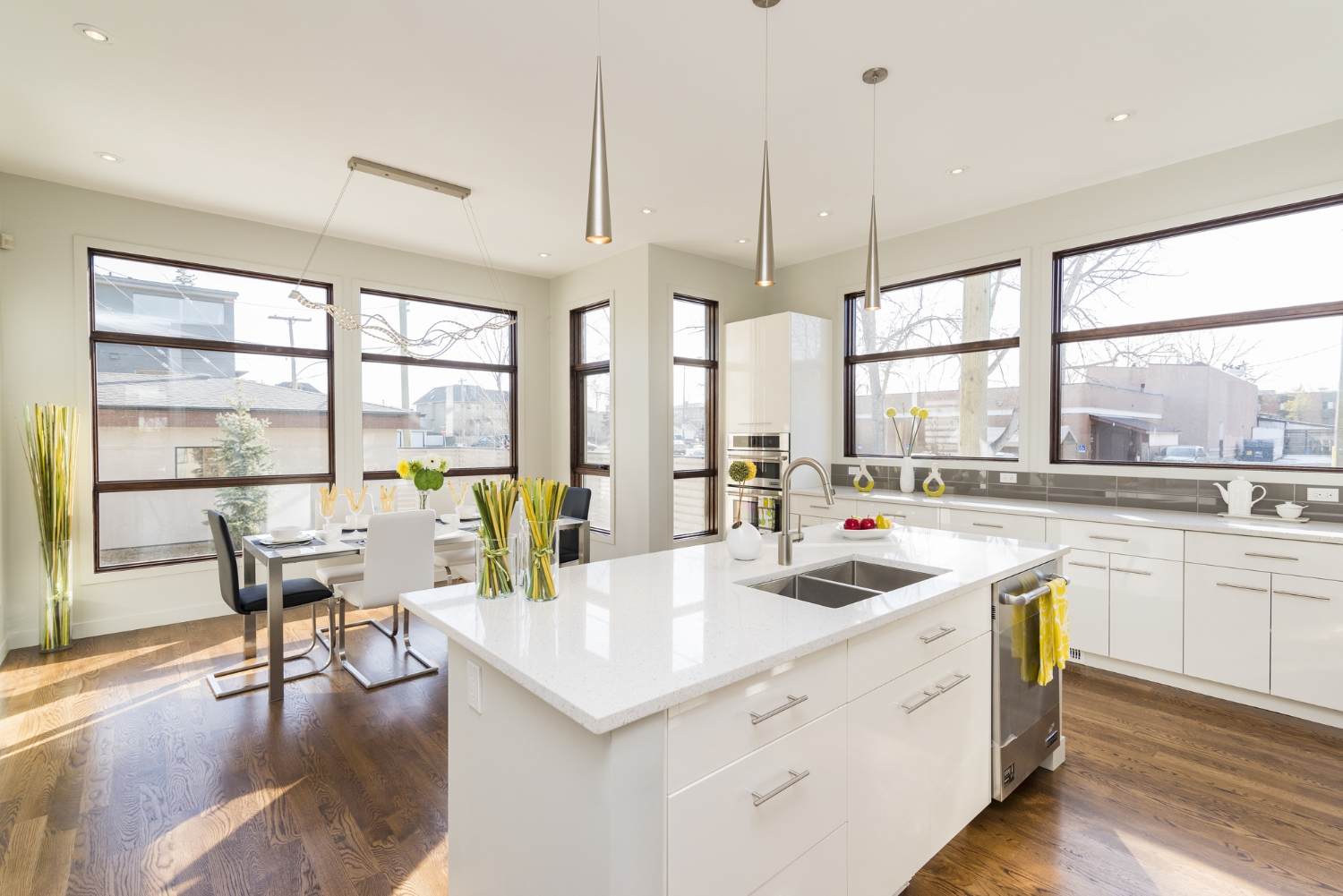
Another critical decision is whether to opt for a budget remodel or a premium upgrade. Your budget will dictate the materials, appliances, and finishes you can afford, which will ultimately affect the timeline.
Budget Remodel
- Focus on Cosmetic Changes: Consider painting cabinets instead of replacing them or installing new hardware instead of new fixtures.
- Use Affordable Materials: Laminate countertops and vinyl flooring can mimic the look of more expensive materials without breaking the bank.
- Shop Sales: Timing your purchases during sales events can save significant costs.
Premium Remodel
- High-Quality Materials: Invest in solid wood cabinets, granite or quartz countertops, and high-end appliances.
- Custom Design: Work with a designer to create a unique layout that maximizes space and functionality.
- Smart Technology: Consider integrating smart appliances and fixtures for added convenience.
While a budget remodel can be completed more quickly, a premium remodel may take longer due to custom orders and high-quality installations.
Mistakes to Avoid
There are common pitfalls that can derail a kitchen remodel. Being aware of these can save time, money, and frustration.
- Neglecting to Plan: Failing to have a clear plan can lead to scope creep and unexpected costs. Always have a detailed plan before starting.
- Ignoring the Timeline: Underestimating how long tasks will take can lead to delays. Build in extra time for each phase.
- Overlooking Storage Needs: Many homeowners focus on aesthetics but forget to consider practical storage solutions.
- Choosing Style Over Function: Ensure that the design meets your lifestyle needs. A beautiful kitchen is useless if it doesn’t function well.
Insider Tips
Here are some insider tips to help ensure a smoother remodeling process:
- Communicate Clearly: Maintain open lines of communication with your contractor or team to avoid misunderstandings.
- Document Everything: Keep a record of all agreements, changes, and receipts to prevent disputes later.
- Be Flexible: Be prepared for unexpected issues or delays, and maintain a flexible attitude to adapt to changes.
- Don’t Skimp on Lighting: Good lighting can transform a kitchen. Consider layering different types of lighting for both functionality and ambiance.
By following this actionable advice and being aware of common pitfalls, homeowners can navigate their kitchen remodel more effectively, ensuring a successful outcome that meets both their needs and expectations.
Facts About Kitchen Remodel Timelines
Statistical Overview
Understanding how long a kitchen remodel typically takes can help homeowners plan effectively. According to various industry studies and surveys, the average kitchen remodel can take anywhere from 10 to 24 weeks. Here are some key statistics:
- According to the National Kitchen & Bath Association (NKBA), the average kitchen remodel lasts about 12 to 16 weeks for mid-range projects.
- A survey by HomeAdvisor indicates that 70% of homeowners experience delays due to unforeseen issues, such as plumbing and electrical problems.
- On average, homeowners spend about $25,000 to $50,000 on a kitchen remodel, which can yield a return on investment (ROI) of 70% to 80% when selling the home.
Benefits of a Thoughtful Approach
Taking the time to plan your kitchen remodel thoughtfully can yield numerous benefits:
Saving Money
- By setting a realistic budget and sticking to it, homeowners can avoid overspending and ensure that funds are allocated efficiently.
- Thoughtful planning can minimize costly mistakes, such as purchasing the wrong materials or hiring inexperienced contractors.
Adding Home Value
- A well-executed kitchen remodel can significantly increase the resale value of a home, making it more attractive to potential buyers.
- According to Remodeling Magazine’s Cost vs. Value Report, a minor kitchen remodel can recoup up to 80% of its cost upon resale.
Improving Comfort
- A thoughtfully designed kitchen enhances functionality, making cooking and entertaining more enjoyable.
- Improved layouts and modern appliances can create a more efficient and comfortable space for daily activities.
When to Start and What to Prioritize
Timing is crucial when planning a kitchen remodel. Here are some recommendations on when to start and what to prioritize:
- Start Early: Begin planning at least 6 months before you intend to start the remodel. This allows ample time for design, budgeting, and contractor selection.
- Prioritize Functionality: Focus on creating a layout that maximizes efficiency. Consider the kitchen work triangle (sink, stove, refrigerator) to improve workflow.
- Invest in Quality: Allocate your budget towards high-quality materials and appliances that will stand the test of time.
- Consider Future Needs: Think about how your needs may change in the future. Design the kitchen to accommodate family growth or lifestyle changes.
Common Homeowner Insights from Forums
Homeowners often share their experiences and insights in online forums. Here’s a summary of what they commonly say:
| Insight | Details |
|---|---|
| Expect Delays | Many homeowners report that projects take longer than initially estimated due to unforeseen issues. |
| Budget for Surprises | Homeowners suggest setting aside an additional 10-20% of the budget for unexpected costs. |
| Research Contractors | Finding the right contractor can make a significant difference in the timeline and quality of work. |
| Don’t Rush Decisions | Many recommend taking time to choose materials and designs to avoid buyer’s remorse later. |
| Enjoy the Process | Despite the challenges, many homeowners emphasize the satisfaction of seeing their vision come to life. |